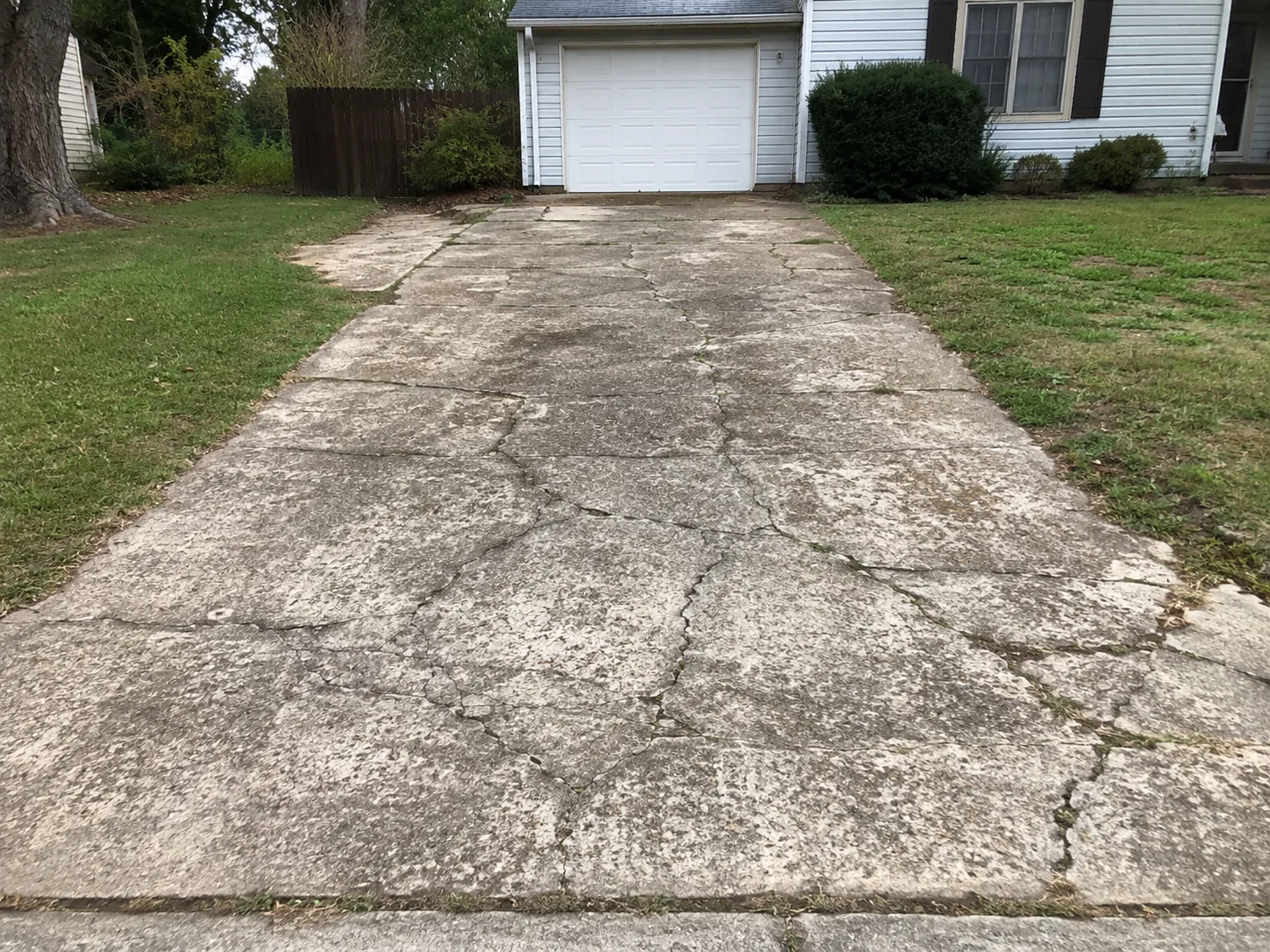
Widespread cracking
Connected cracks across several walkway panels can indicate that a small repair would leave broader failure in place.
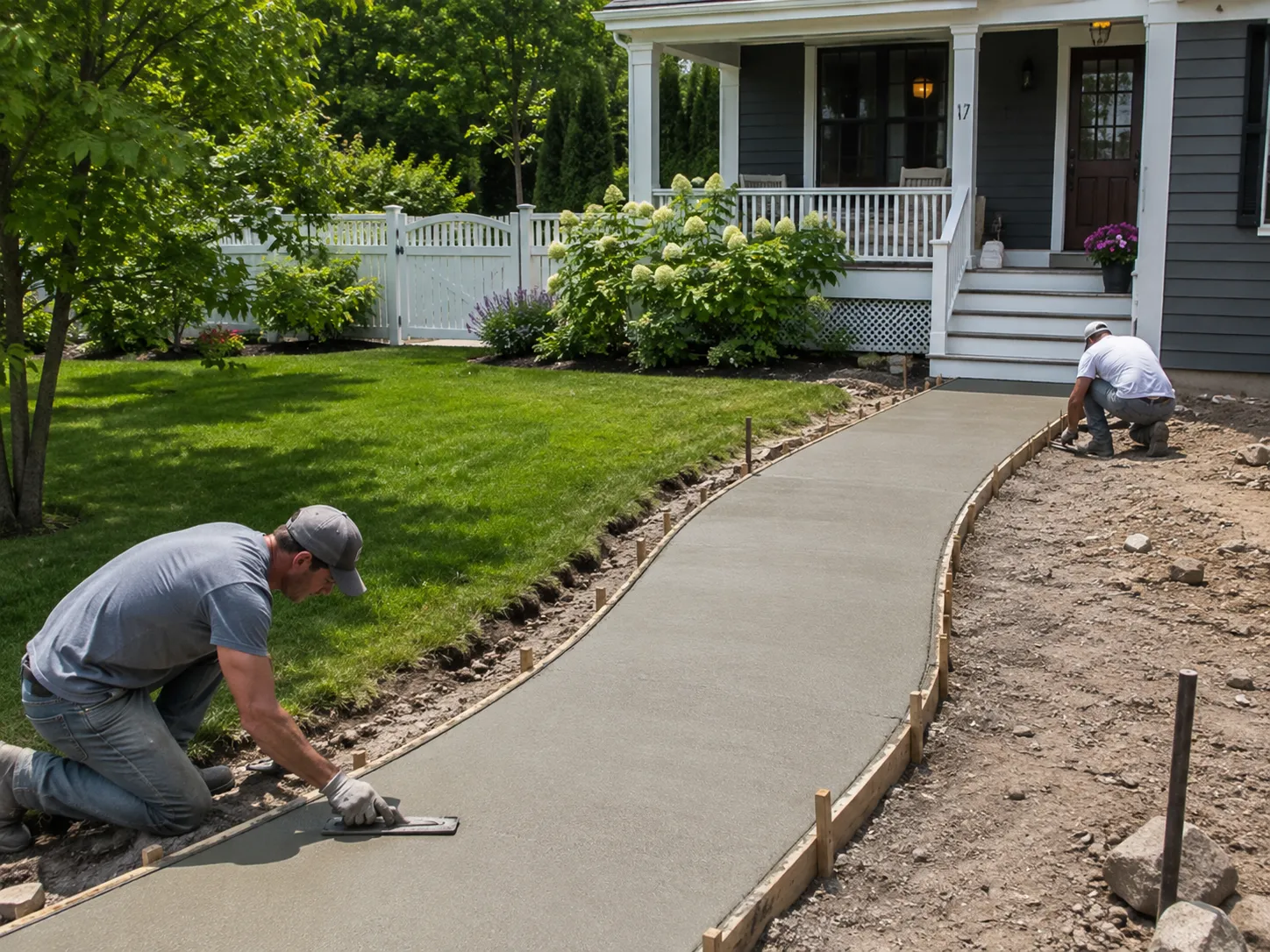
Plan removal and rebuilding when an existing sidewalk or walkway has settled or broken panels, widespread cracking, uneven transitions, recurring water collection, or failed connections along the pedestrian route. Replacement can involve one failed panel, several connected panels, or the full existing route.
An existing walkway does not automatically require complete removal. The practical scope may be one panel, several connected panels, or the full pedestrian route. We review crack patterns, elevation changes, previous repairs, water movement, landscaping, route continuity, and connections at doors, steps, gates, patios, driveways, yards, and adjoining concrete before defining replacement limits.
Removal creates an opportunity to review hidden support conditions and reconsider panel elevations, joints, drainage, and transitions in the rebuilt route.
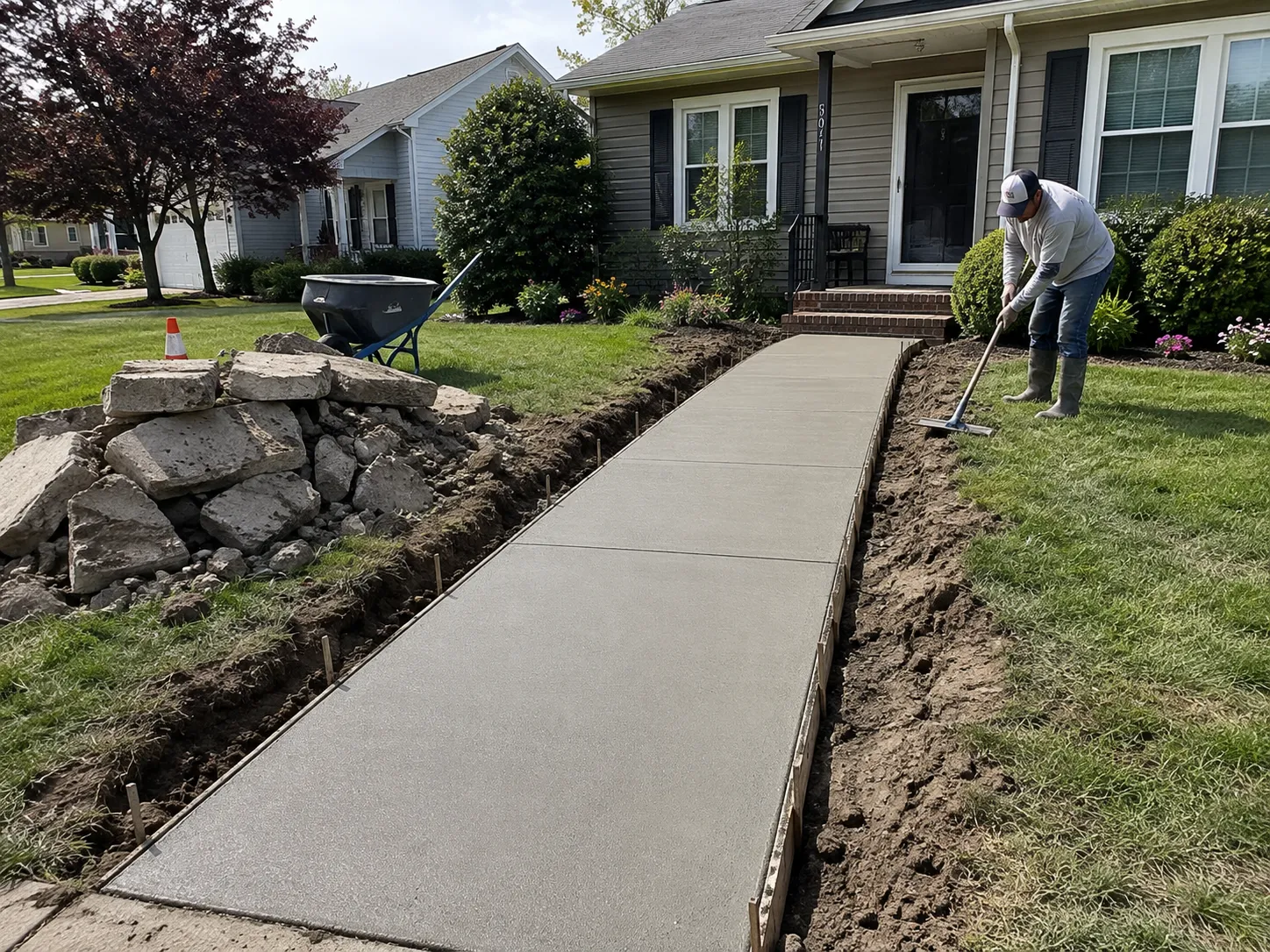
Replacement is considered when damage or function problems affect a failed panel, connected route sections, or the full existing pedestrian route.
Connected cracks across several walkway panels can indicate that a small repair would leave broader failure in place.
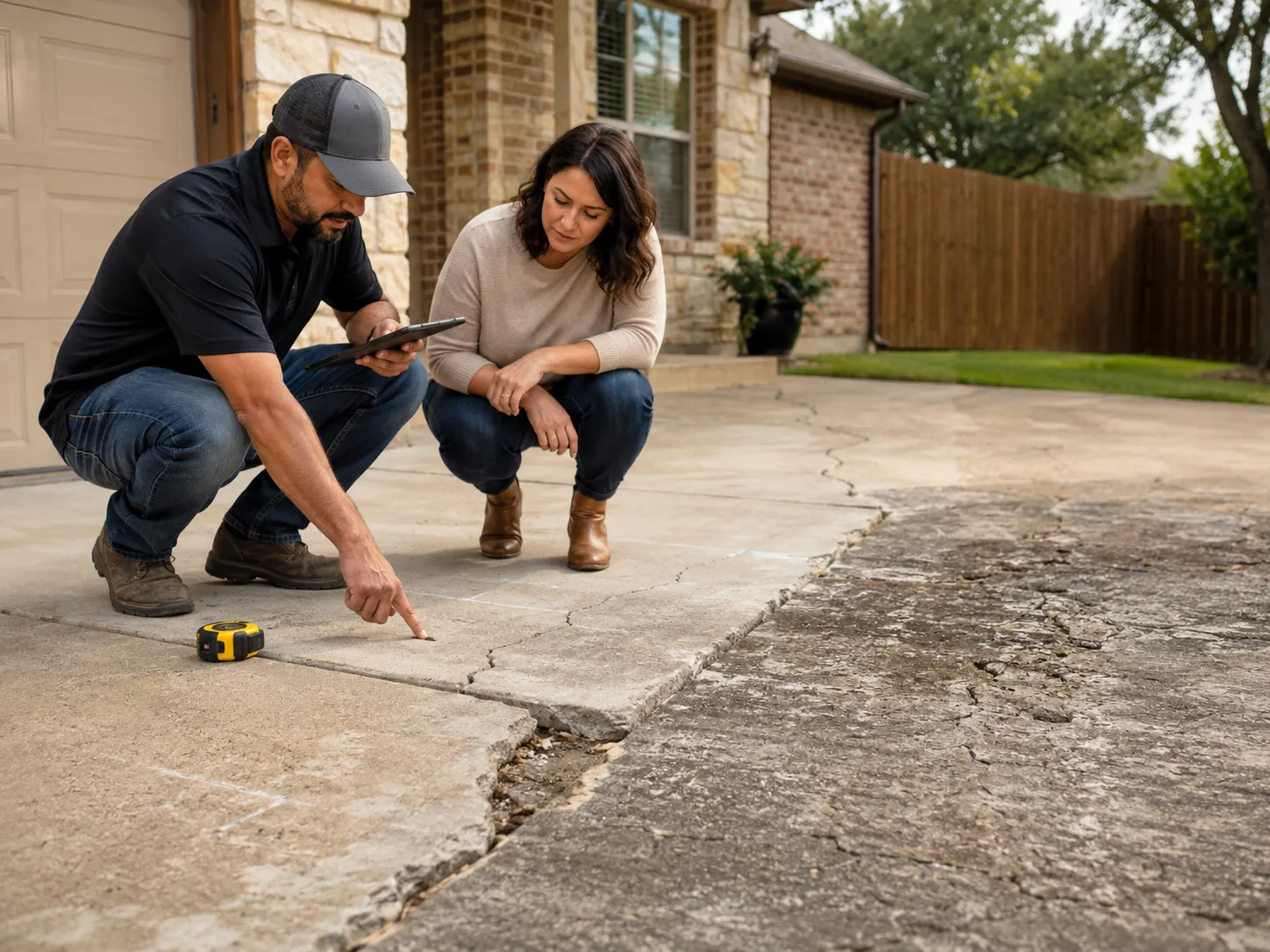
Movement between panels can create uneven walking transitions and affect route continuity, drainage, gates, entries, patios, driveways, and adjoining surfaces.
Broken edges, shallow deterioration, or failed walkway panels may extend beyond a localized repair boundary.
Low spots, runoff, and poor connections along the pedestrian route can justify rebuilding the failed section.
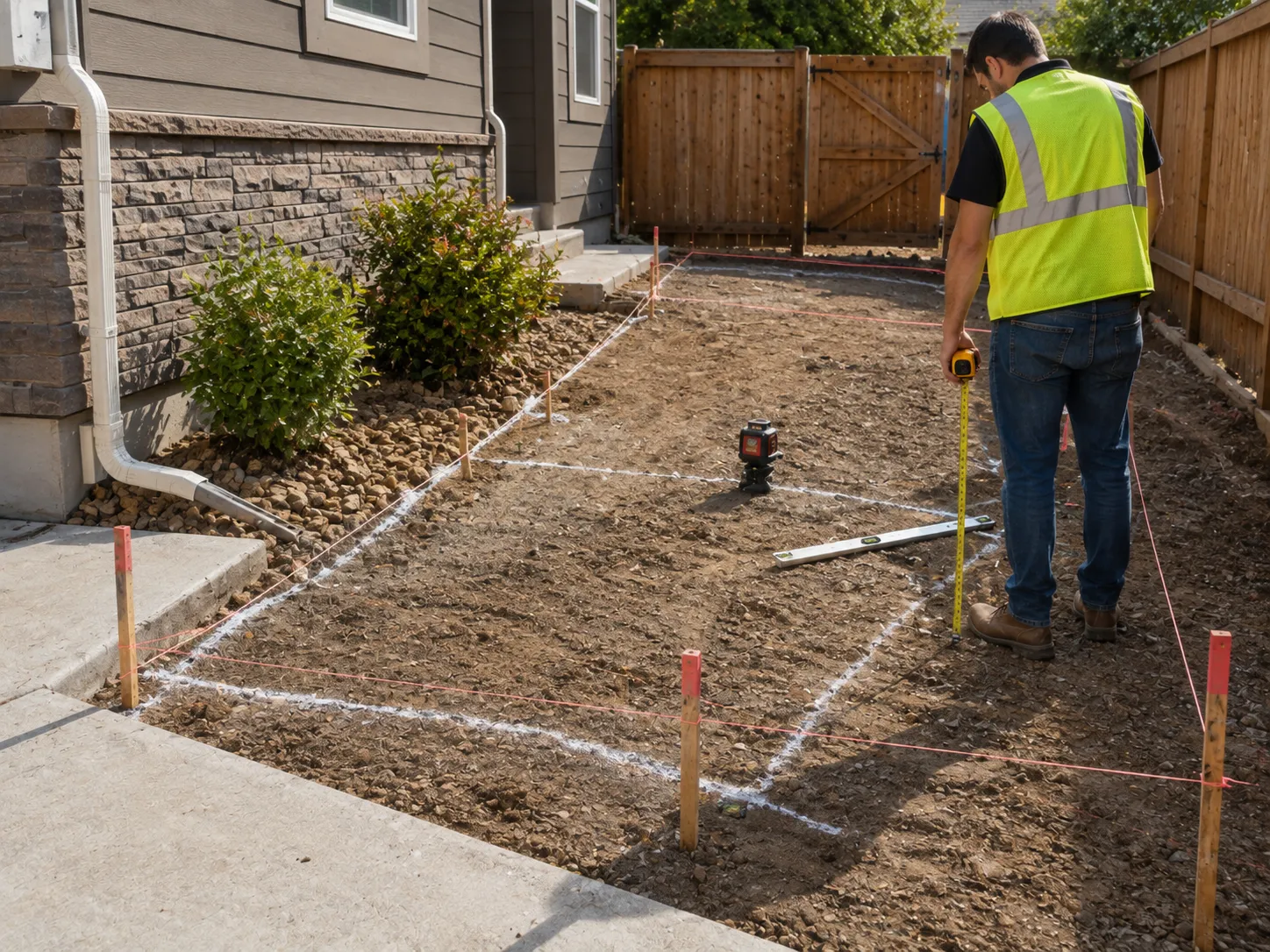
Removal can expose support conditions that are not visible while the walkway remains in place. Roof runoff, downspouts, yard slope, irrigation, water collection, and adjoining surfaces can affect the rebuilt grade and drainage plan.
Route width, gate width, landscaping, narrow side-yard access, haul routes, and available working room can affect removal and rebuilding limits.
Images are representative examples provided to illustrate the type of project and conditions discussed.
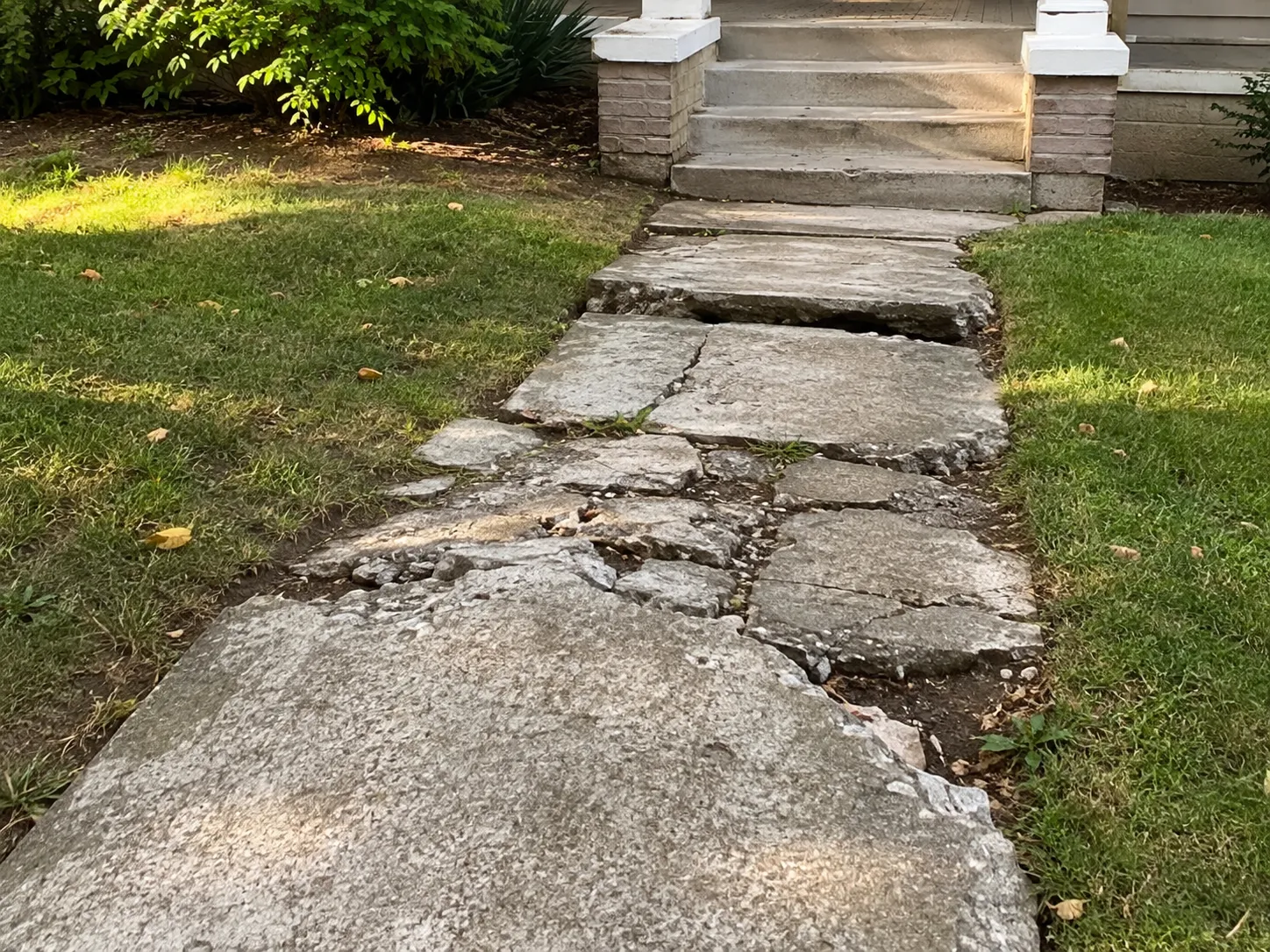
The full pedestrian route, failed panels, connected cracking, settlement, uneven transitions, previous repairs, drainage problems, doors, steps, gates, patios, driveway crossings or connections where relevant, adjoining concrete, and removal access.
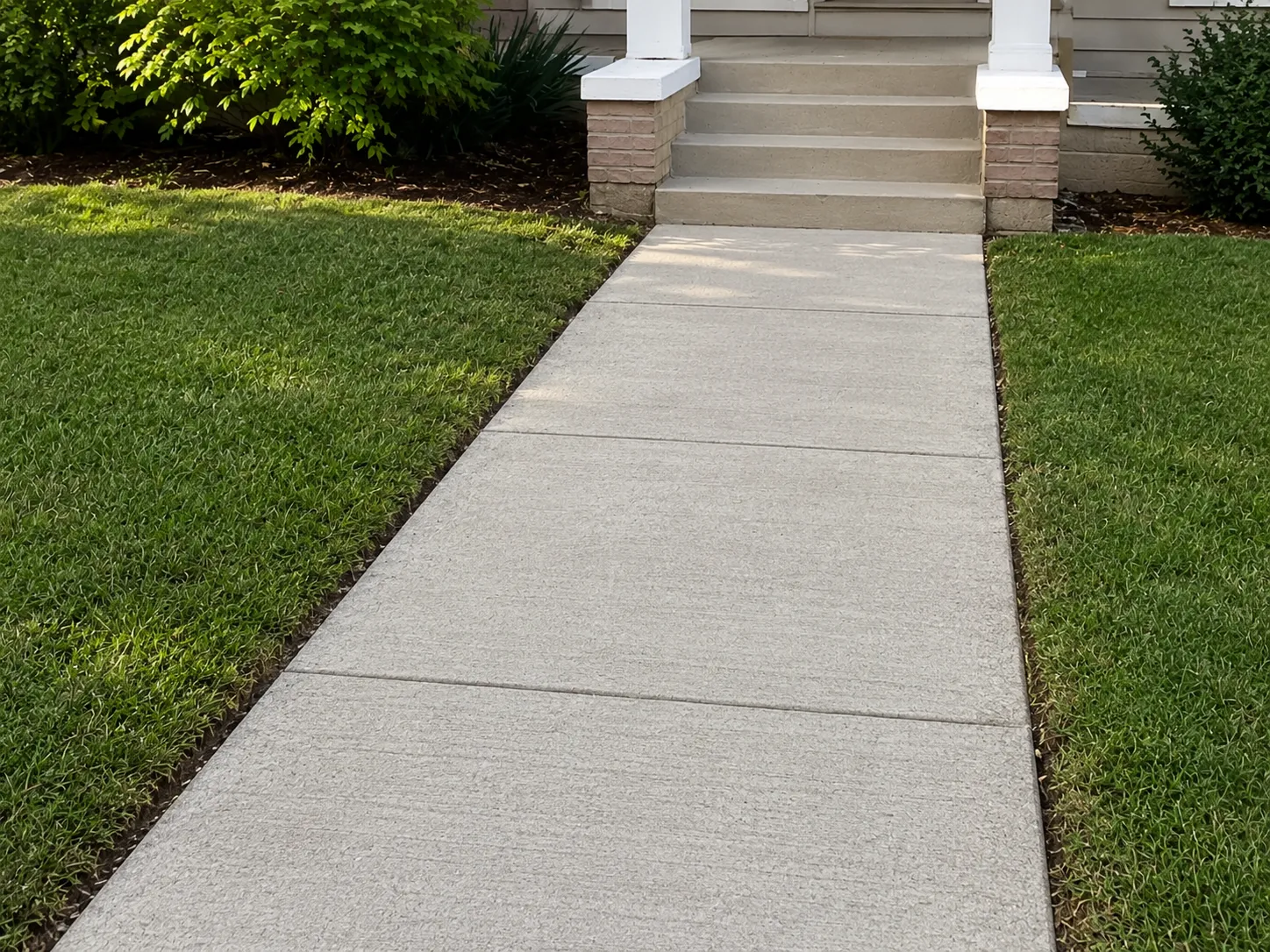
The panels or route sections to be removed, concrete that remains, and how the rebuilt walkway reconnects to entries, steps, gates, patios, driveways, yard areas, and adjoining surfaces.
A useful scope considers the failed route section and every connection it must restore.
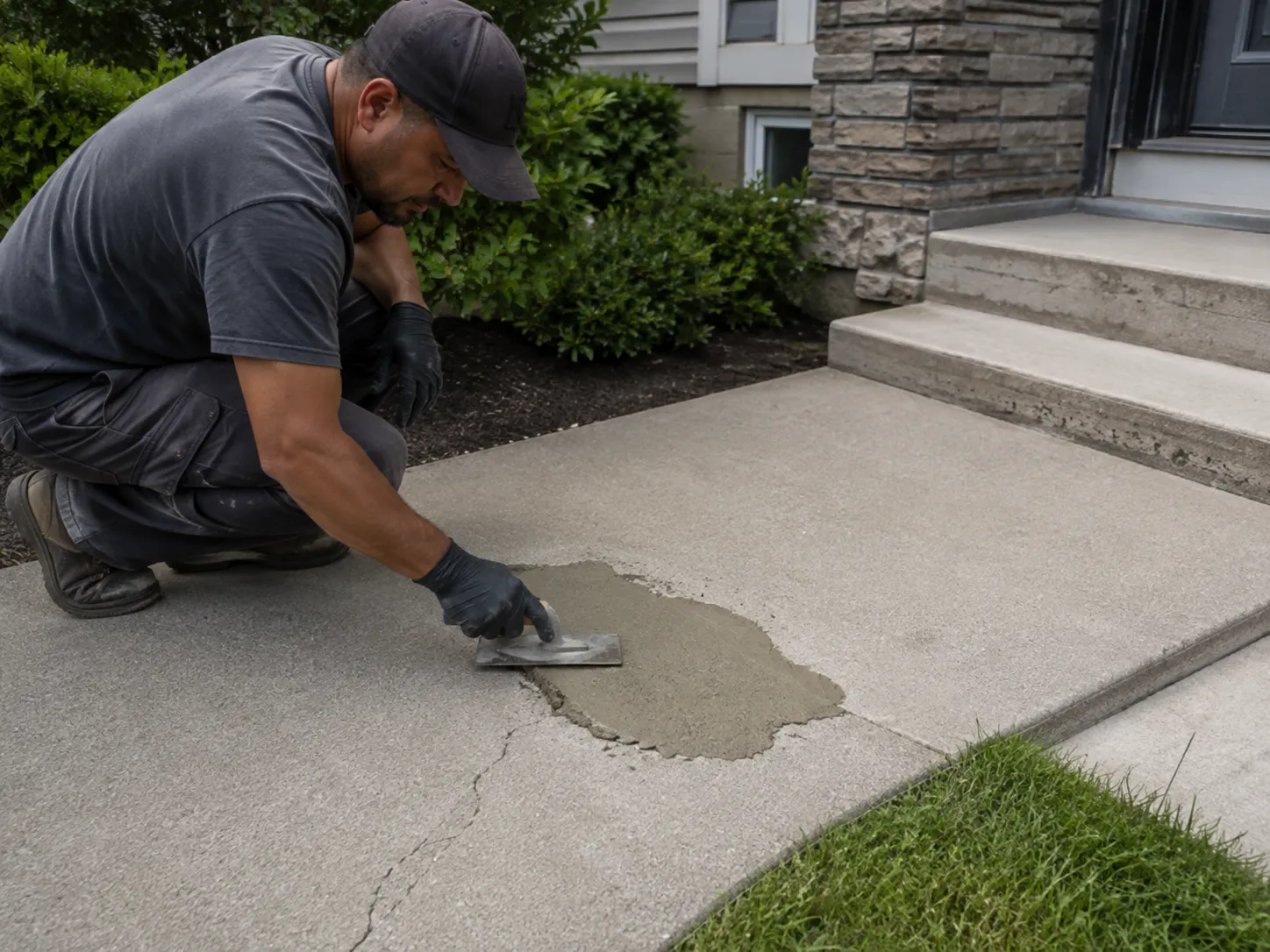
Sidewalk and walkway repair addresses localized cracks, joints, edges, corners, shallow deterioration, or small uneven transitions where the affected panel can remain. Replacement removes and rebuilds one failed panel or several connected failed panels. Full-route replacement addresses broader failure across the existing walkway route. Installation is separate work for a new pedestrian route, extension, or new connection.
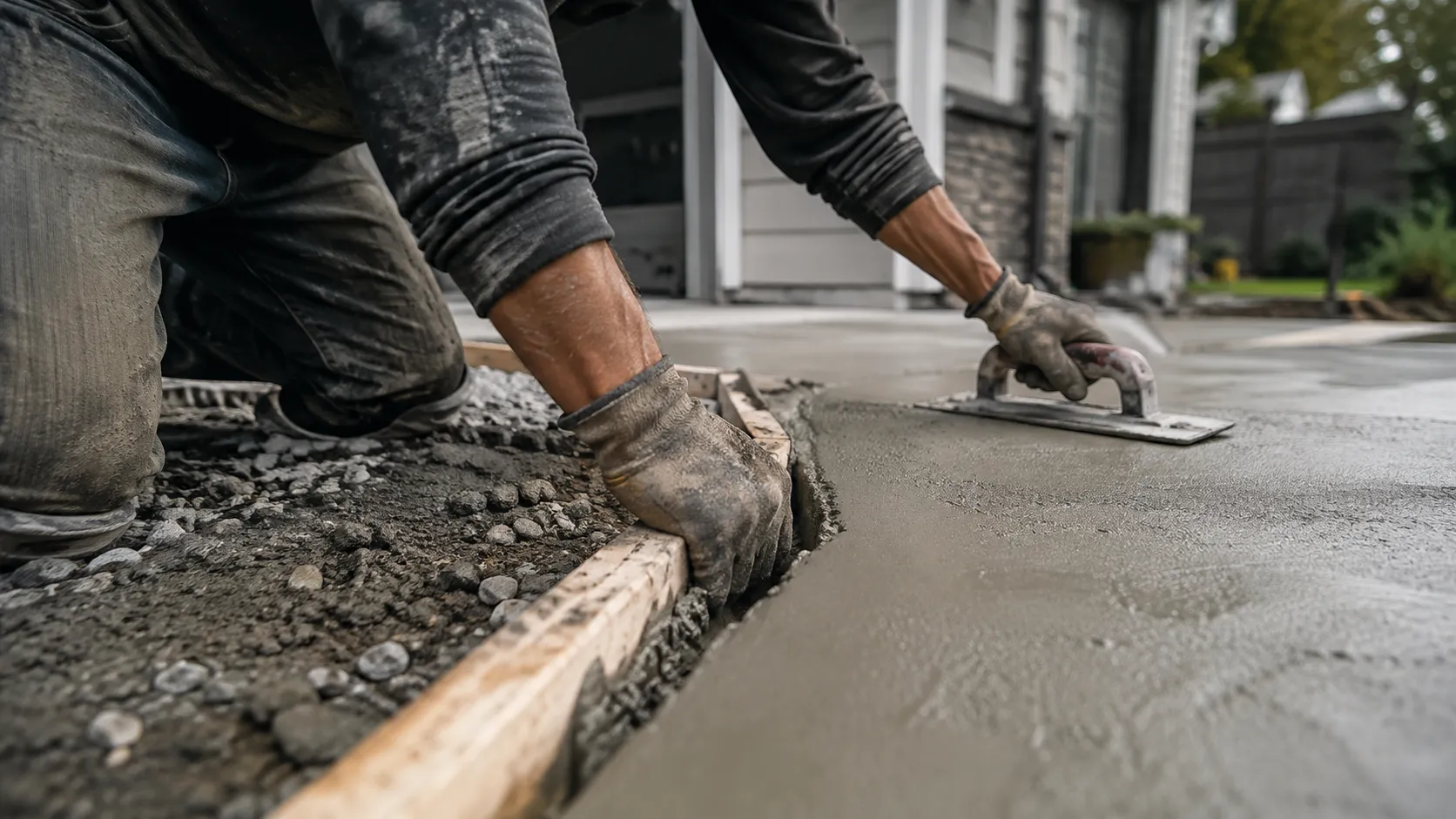
The pedestrian route, grade, drainage, transitions, doors, steps, gates, patios, connected driveways, yard conditions, access, landscaping, and working room shape how replacement should be planned.
The exact sequence depends on the failed route section, access, and agreed replacement limits.
Remove the agreed walkway panels or route sections and review exposed support conditions.
Confirm concrete that remains and protect adjoining surfaces within the defined work area.
Prepare the exposed area and address grades, drainage, and transitions to entries, steps, gates, patios, connected driveways, yard areas, and adjoining surfaces.
Review roof runoff, downspouts, irrigation, low spots, and water collection that can affect the rebuilt route.
Set forms, edges, joints, and reinforcement where appropriate for the defined walkway area.
Place, finish, and protect the rebuilt concrete according to the agreed scope.
Remove defined project debris and provide project-specific guidance for foot traffic, normal pedestrian use, route reopening, and curing.
Do not use the rebuilt route beyond the project-specific guidance.
The exact work varies by property, but the planning sequence should remain easy to understand.

Send wide photos, close-ups, approximate dimensions, failed panels, previous repair areas, low spots, entries, steps, gates, patios, driveway connections, yard transitions, drainage, and work-area access.
Consider crack patterns, settlement, uneven transitions, route continuity, water collection, adjoining surfaces, and whether the affected panel can remain.
Clarify which panels or route sections will be removed, what concrete remains, and how connections and transitions will be rebuilt.
Confirm preparation, drainage, access, placement, curing guidance, temporary pedestrian-use limits, and return to normal foot traffic.
Choose the service that best matches the condition of your concrete and the work you are considering.
Address localized cracks, joints, edges, corners, shallow deterioration, or small uneven transitions when the affected panel can remain.
Learn MorePlan a new pedestrian route, extension, or new connection rather than rebuilding failed existing walkway concrete.
Learn MoreCoordinate pedestrian-route replacement with steps, landings, doors, and adjoining entry transitions.
Learn MoreWe review concrete requests across Killeen and selected nearby communities, including Harker Heights, Nolanville, Copperas Cove, and the Fort Hood area. Availability depends on the property location, project type, access, current scheduling, and the practical scope of the work.
No. A localized issue belongs under repair when the affected panel can remain. Replacement applies when one panel, several connected panels, or a broader route section has failed.
Yes. The replacement scope can be limited to one failed panel or several connected panels when the remaining route, transitions, and drainage conditions support that boundary.
Removal exposes support conditions beneath the walkway so replacement limits, base preparation, grades, drainage, joints, edges, and adjoining connections can be organized before new concrete is placed.
Replacement rebuilds failed existing walkway concrete. A new pedestrian route, extension, or added pedestrian connection belongs under Sidewalk and Walkway Installation.
Compare damage patterns, support, drainage, transitions, and project limits before choosing a repair or replacement path.
Read GuideSee how removal, access, preparation, affected area, and adjoining surfaces can change a concrete estimate.
Read GuideReview property drainage, parking use, access, grades, and local planning considerations for Killeen concrete work.
Read GuideShare whether the project involves one failed panel, multiple sections, or the full route; widespread cracks, settlement, uneven transitions, low spots, water collection, and previous repairs; plus entries, steps, gates, patios, driveway connections, yard transitions, adjoining concrete, drainage routes, and work-area access.