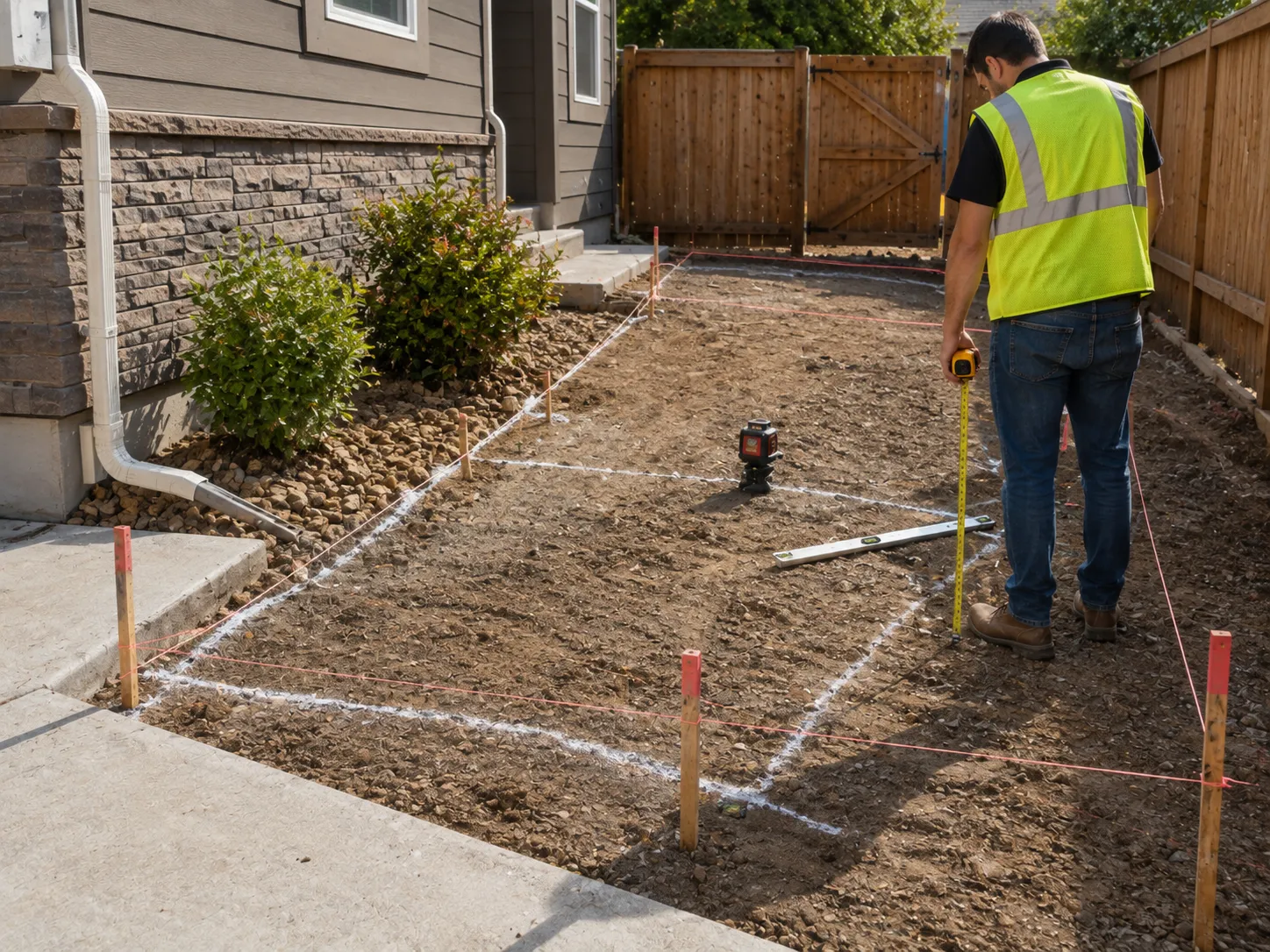
Defined cracks
One or a small number of cracks can support focused treatment when displacement and surrounding deterioration are limited.
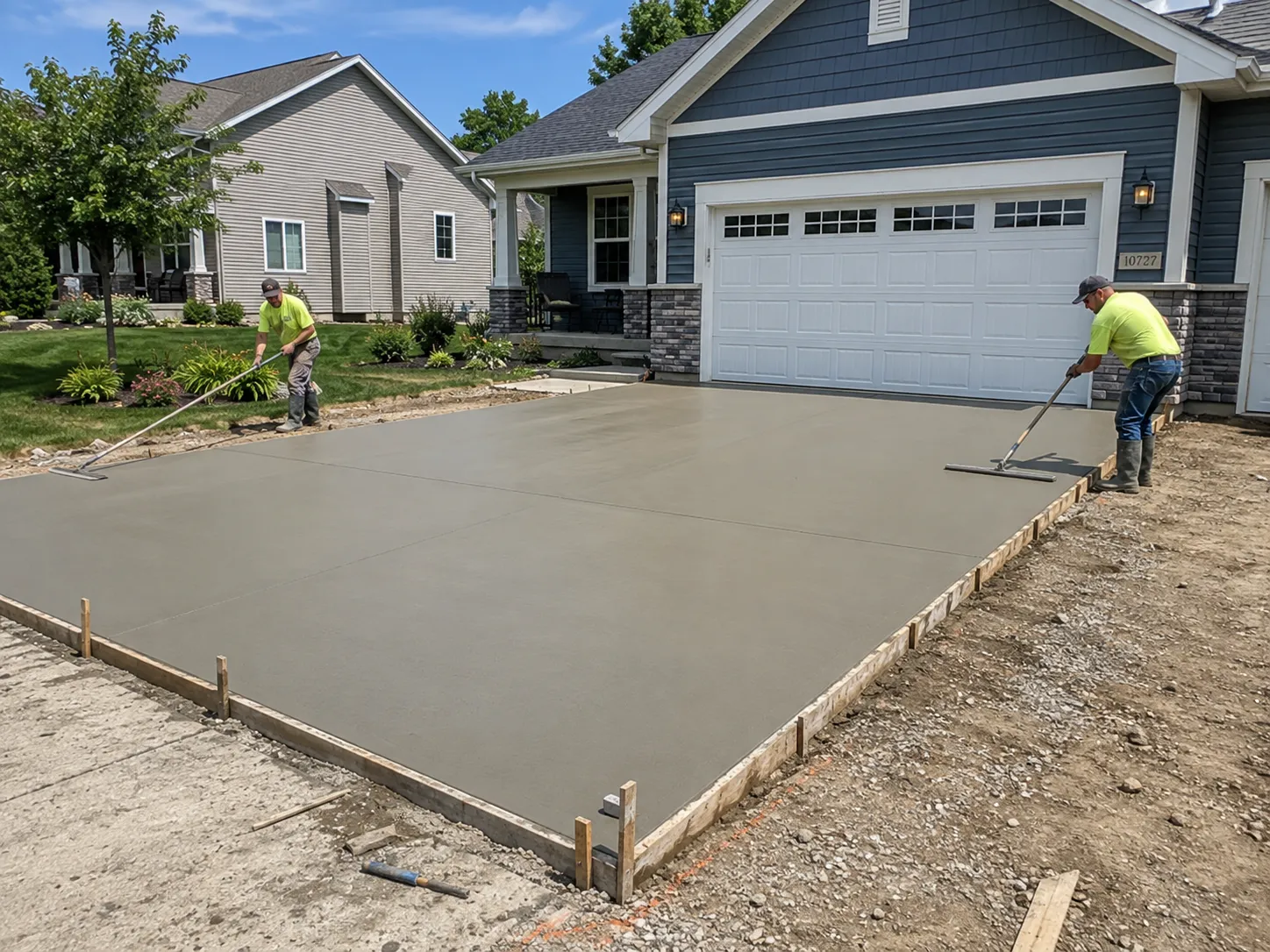
Address limited driveway damage without treating every visible problem as a full replacement project. We review defined cracks, joints, broken edges, isolated surface deterioration, small settled areas, and damaged transitions to determine whether a focused repair scope is practical.
Repair is a practical option when damage is limited and the surrounding driveway remains usable. The goal is to address a specific crack, joint, edge, transition, or individual section without implying that a localized treatment will correct movement or deterioration across the entire driveway.
We compare the visible damage with nearby grades, water movement, prior patches, adjoining sections, and how vehicles cross the area to determine whether a focused repair is a practical option.
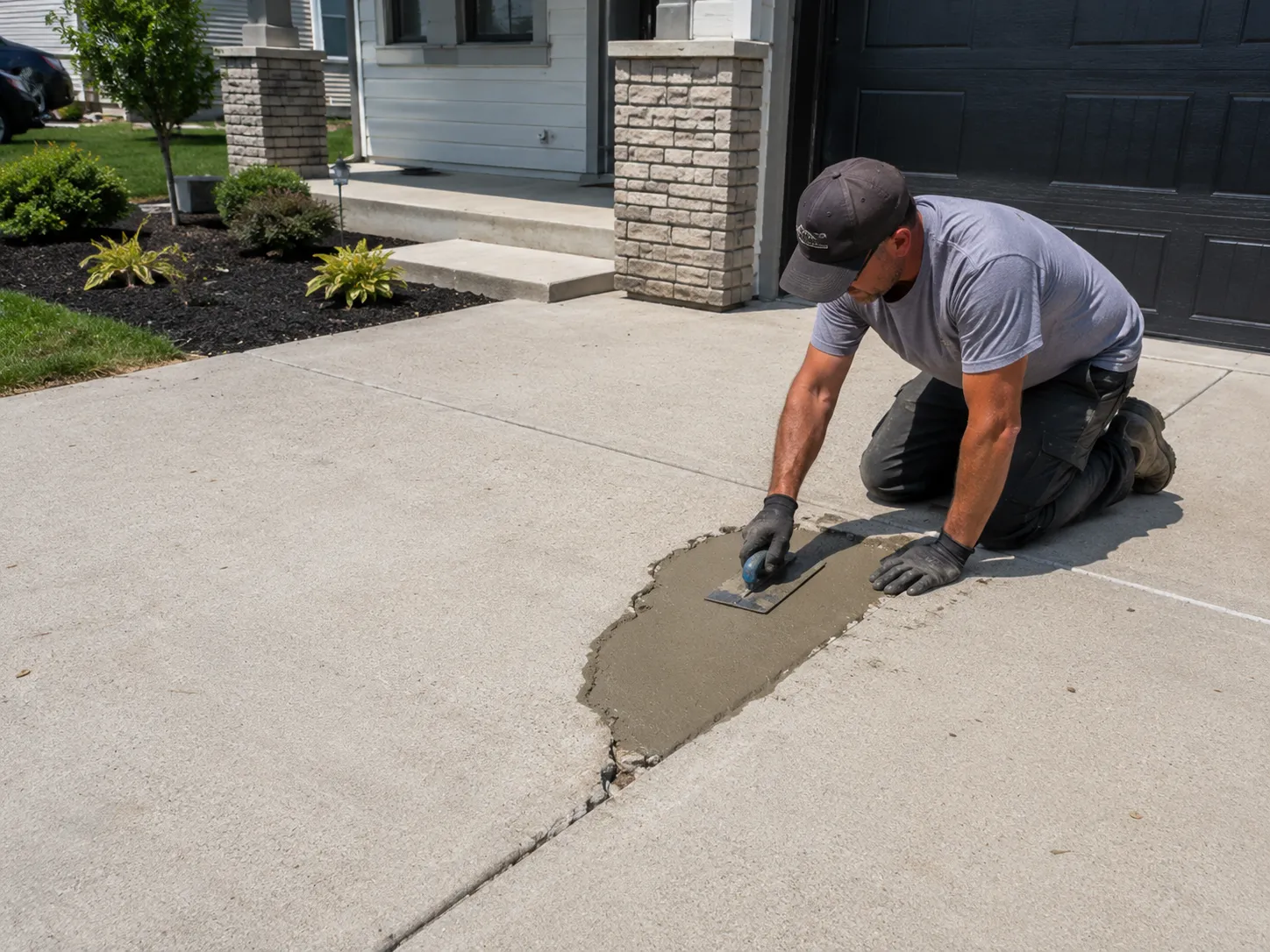
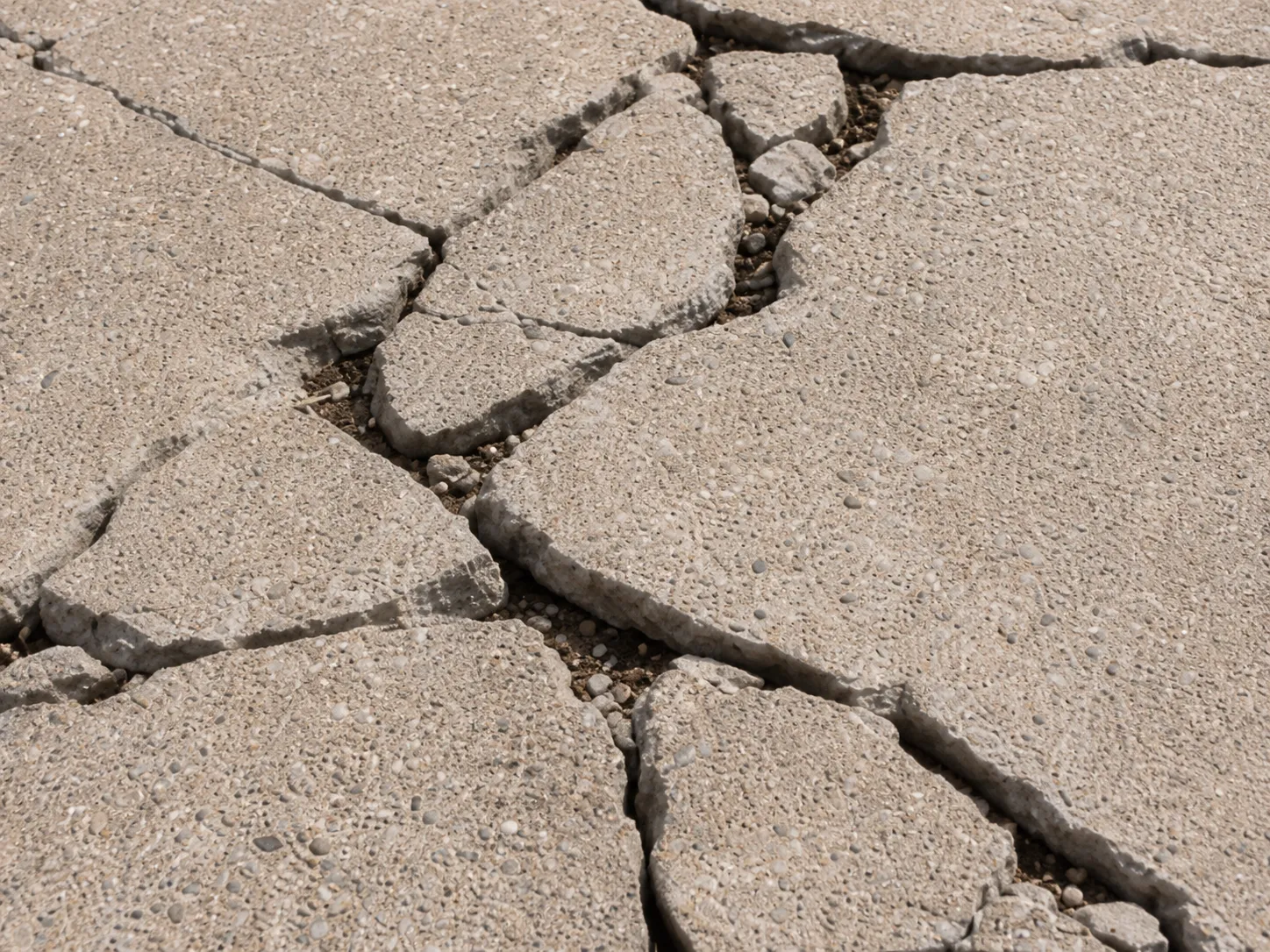
These examples describe limited problems; the surrounding driveway still needs to be considered.
One or a small number of cracks can support focused treatment when displacement and surrounding deterioration are limited.
Vehicle traffic, impact, or unsupported edges can damage a localized area near a driveway boundary or connection.
Open, deteriorated, or irregular joints may need cleaning, preparation, or localized reconstruction depending on their condition.
An individual low or uneven section may be reviewed for localized work when the broader driveway remains comparatively stable.
Runoff, irrigation, or water collecting near joints and edges can contribute to deterioration and affect the repair scope.
Repeated wheel paths, turning, trailers, and edge loading can concentrate wear in particular driveway areas.
Settlement or movement beneath one section may limit what a surface-only repair can reasonably accomplish.
Older patches, sealants, or section repairs can show where the driveway has continued to move or deteriorate.
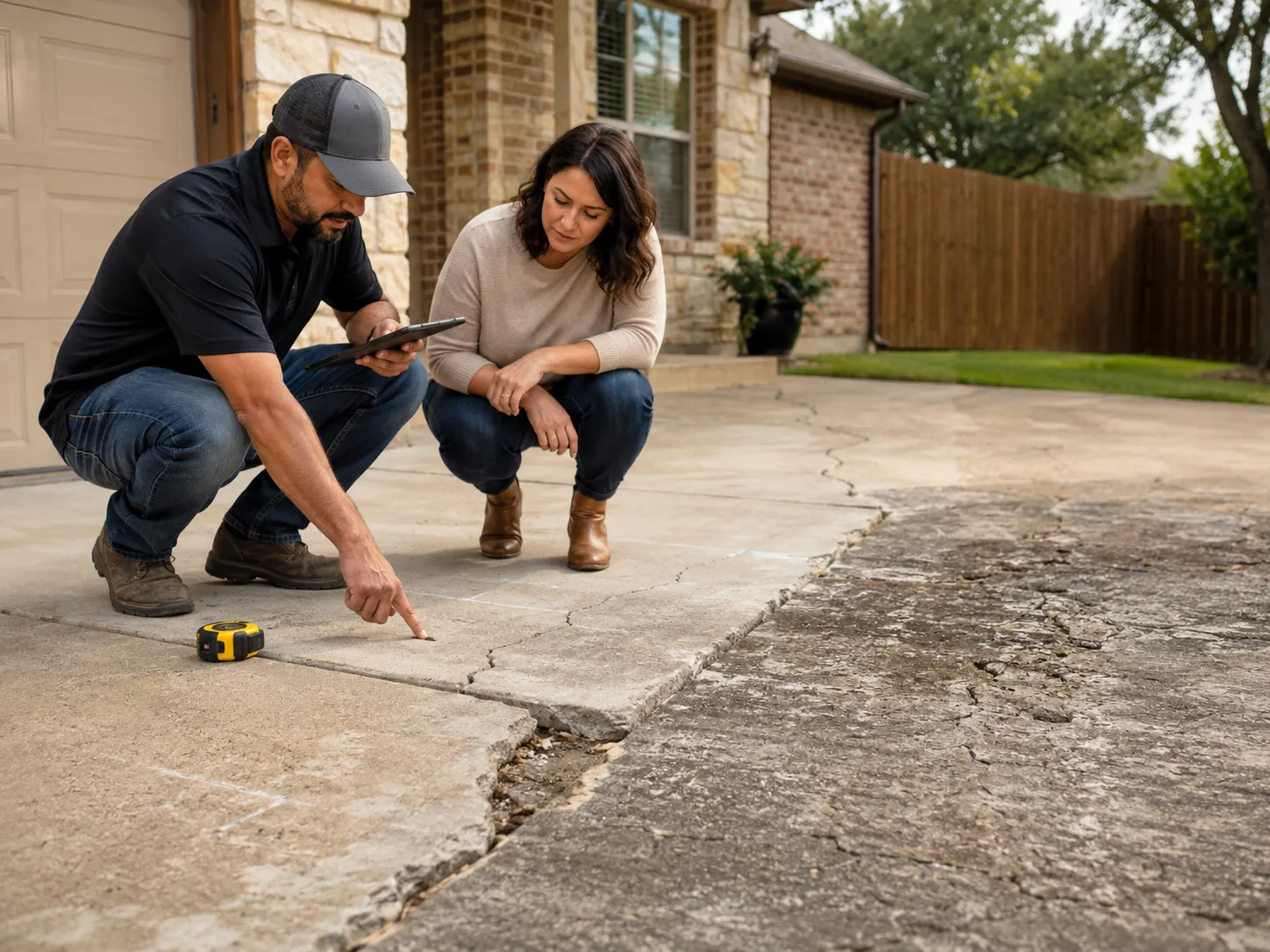
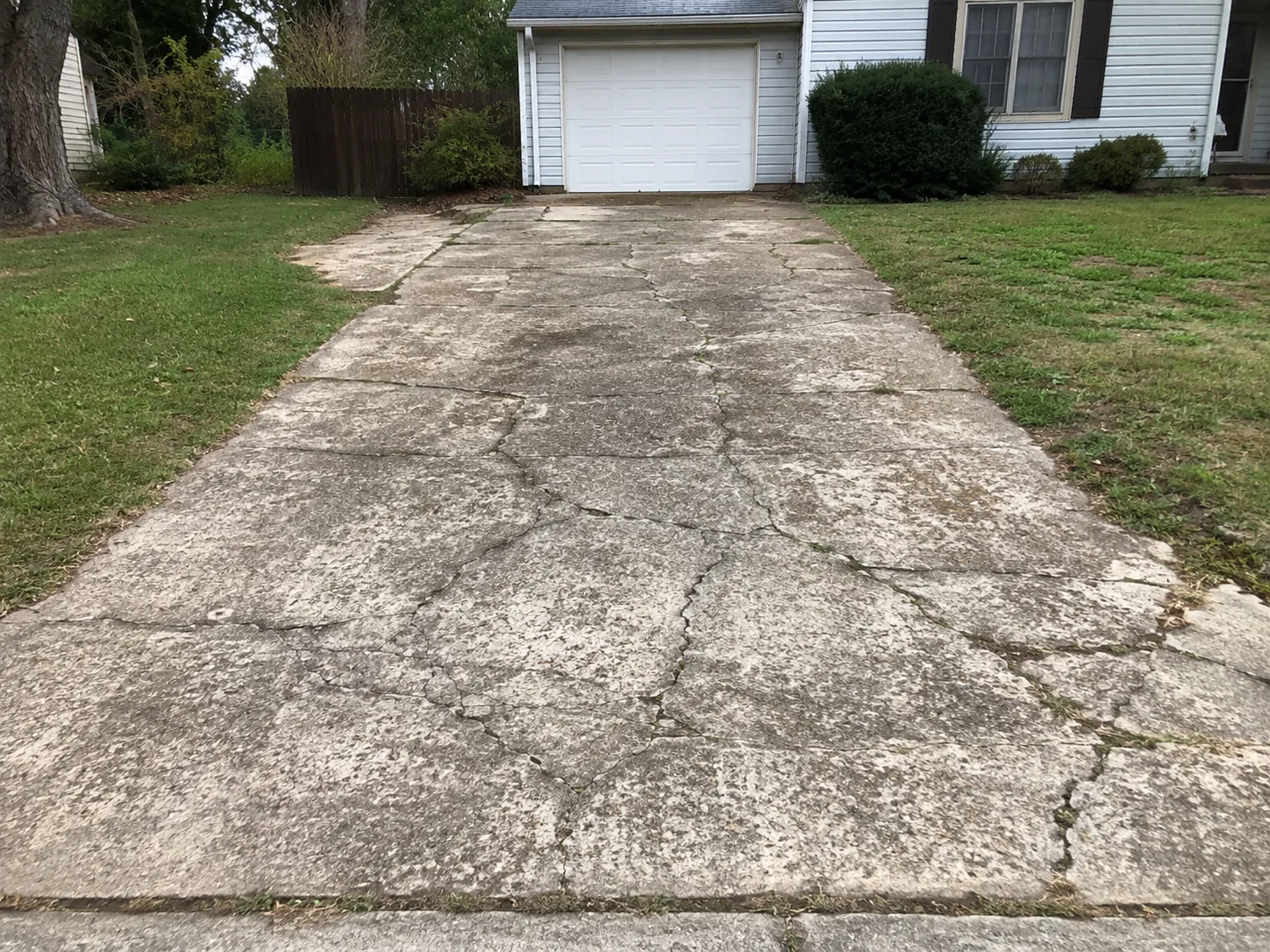
Images are representative examples provided to illustrate the type of project and conditions discussed.
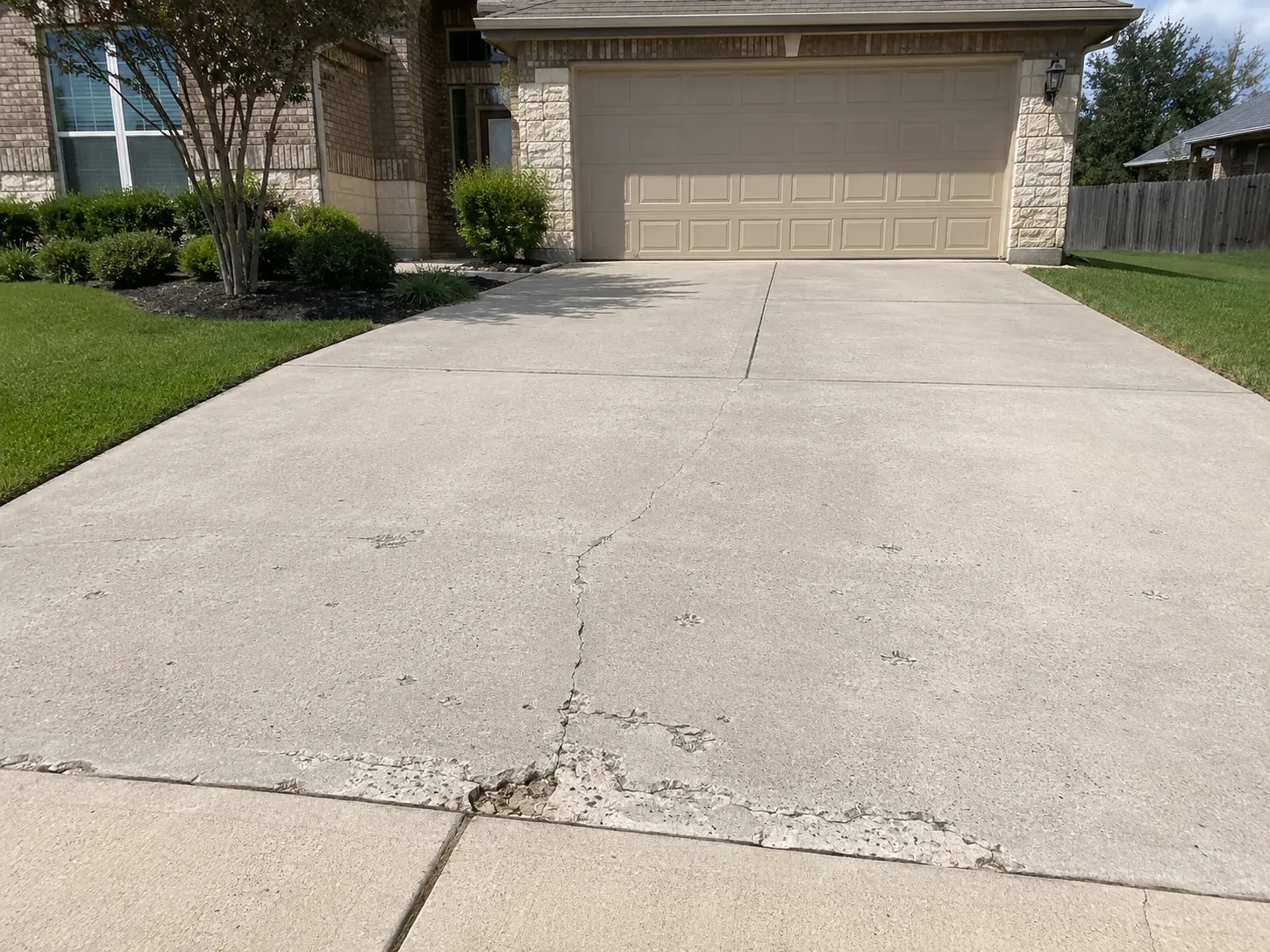
A close-up of the crack, joint, edge, or surface damage together with a wider view of the surrounding driveway and any elevation change or water collection.
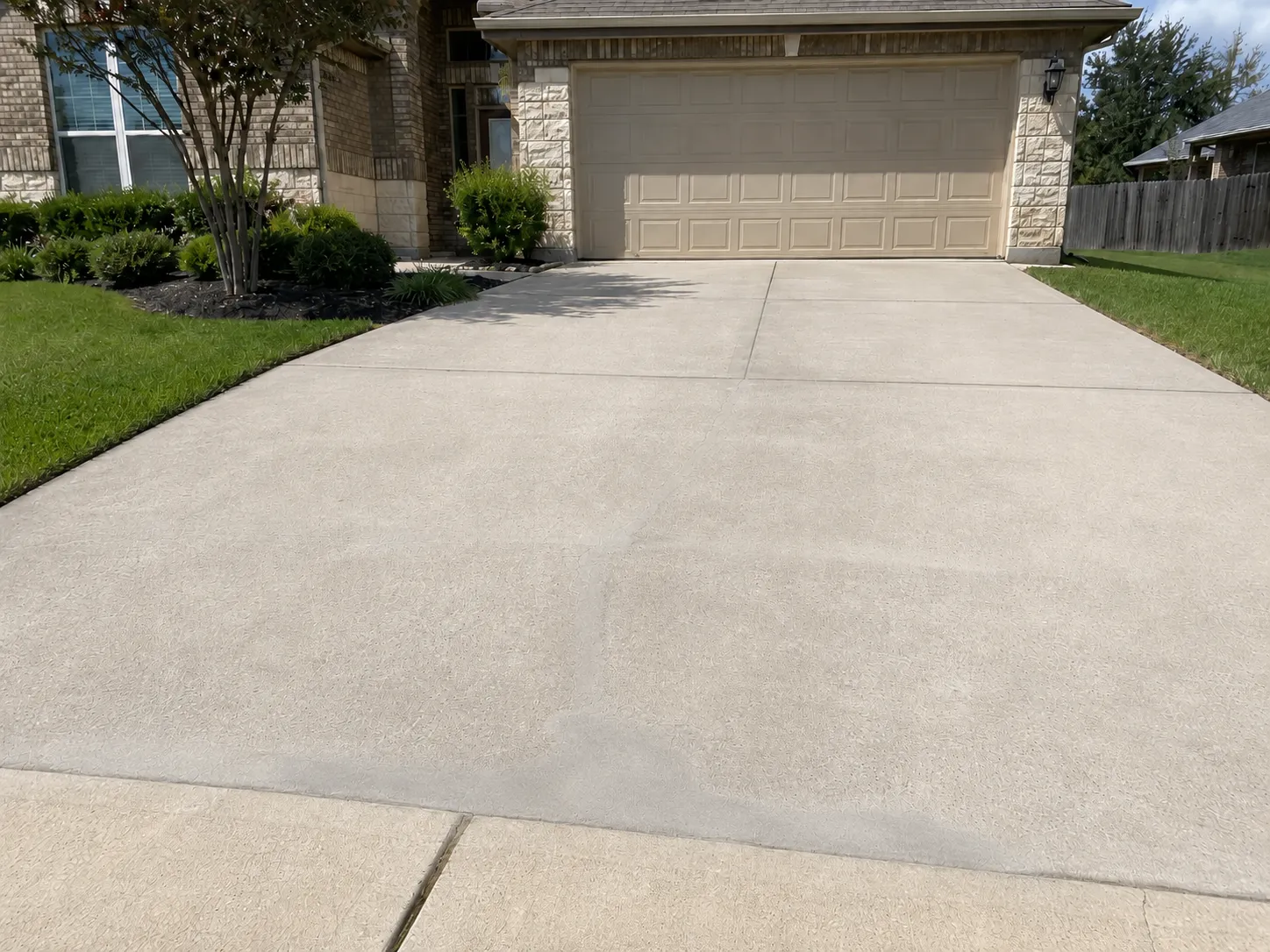
The defined treatment area, the concrete that will remain, expected appearance differences, and any movement or nearby deterioration outside the repair scope.
We look beyond the closest crack to understand whether the issue is isolated or part of a larger pattern.
Repair is appropriate for a defined crack, joint, edge, shallow surface defect, or small transition when the surrounding panel remains stable. If an entire panel must be removed and new concrete placed in its footprint, the project should be reviewed as driveway replacement. New driveway installation is a separate service for added area or a new layout.
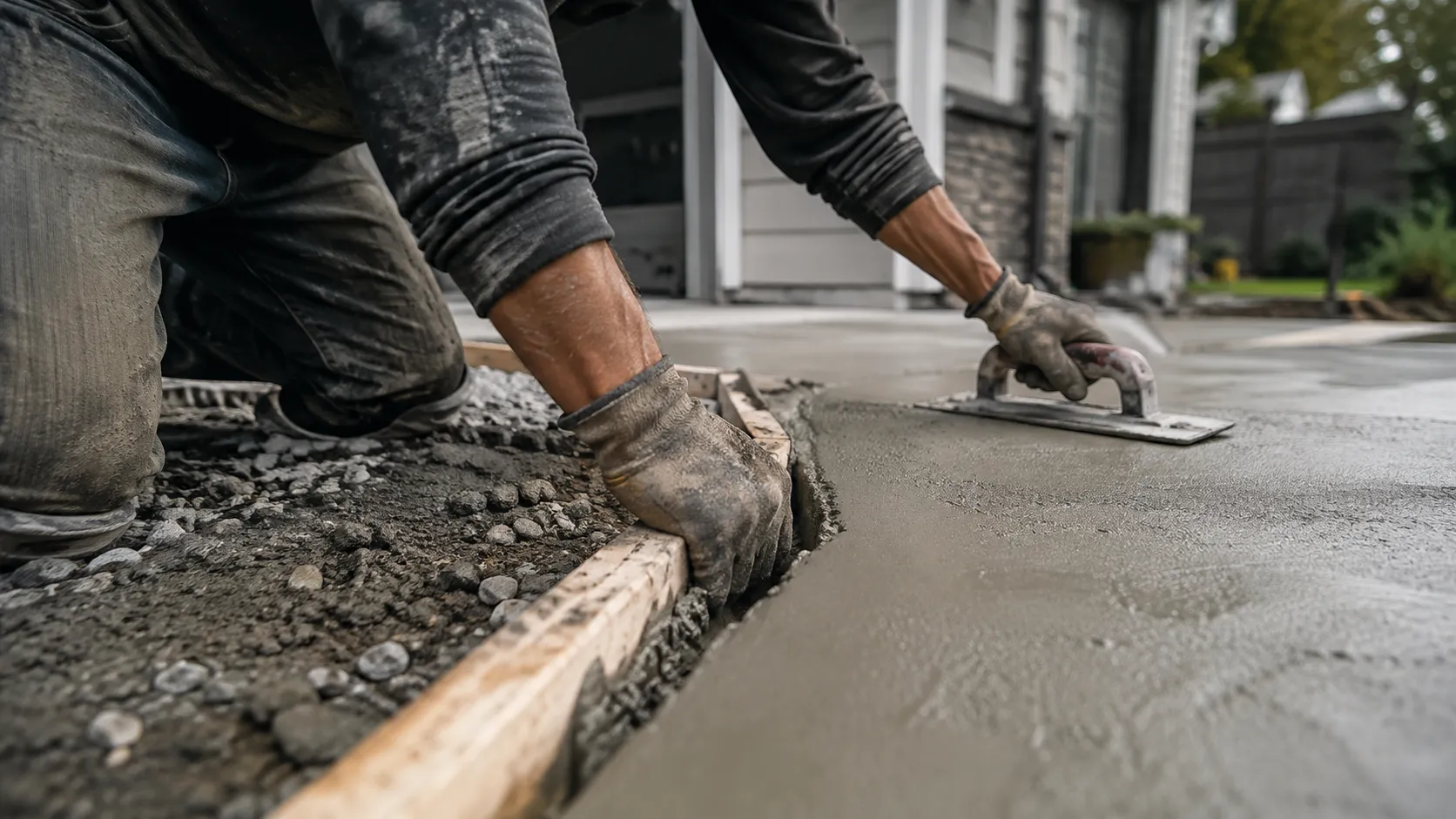
Vehicle access, grade, drainage, transitions, and working room all shape how a driveway repair should be planned before work begins.
The method depends on the type, depth, and extent of the damage. Repair focuses on a limited area without removing and rebuilding an entire concrete panel.
Document the affected crack, joint, edge, surface area, elevation change, and nearby drainage conditions.
Remove unsound or detached material from the defined repair area where required for preparation.
Clean and prepare the area so the selected treatment can be applied to suitable material.
Use an appropriate focused treatment when the crack or joint condition supports that approach.
Repair a limited edge, corner, or shallow surface area without removing and rebuilding the full surrounding panel.
Address a small uneven connection where a localized treatment is practical and the adjoining concrete remains stable.
Finish the repaired area and protect it during the initial curing or setting period.
Remove debris and explain expected appearance, use timing, and what the repair does not correct.
The exact work varies by property, but the planning sequence should remain easy to understand.

Send wide driveway photos, close-ups, approximate dimensions, and views of the garage, street, joints, and low spots.
Consider movement, prior patches, runoff, vehicle paths, and the condition of adjoining sections.
Separate a focused repair from section replacement or full driveway replacement before defining the work.
Clarify preparation, treatment, appearance limits, curing guidance, and any excluded areas.
Choose the service that best matches the condition of your concrete and the work you are considering.
Compare removal and rebuilding when cracks, settlement, or failed sections extend beyond a practical repair area.
Learn MorePlan new driveway area, additional parking, or an extension rather than treating expansion as repair.
Learn MoreReview localized repair for patios, walkways, slabs, and other exterior concrete surfaces.
Learn MoreWe review concrete requests across Killeen and selected nearby communities, including Harker Heights, Nolanville, Copperas Cove, and the Fort Hood area. Availability depends on the property location, project type, access, current scheduling, and the practical scope of the work.
No. A focused treatment can address a limited crack, but connected cracking, vertical movement, or broad deterioration can make section or full replacement more practical.
An exact color, texture, or weathering match should not be assumed. The repair scope should prioritize the defined condition and explain likely visual differences.
Suitability depends on the size, cause, surrounding elevations, and water route. Adding material to the surface does not correct settlement or drainage beneath a larger area.
Dry photos show the surface clearly, while photos taken when water is collecting can help explain low spots and runoff. Wide views and close-ups are both useful.
Compare damage patterns, support, drainage, transitions, and project limits before choosing a repair or replacement path.
Read GuideSee how removal, access, preparation, affected area, and adjoining surfaces can change a concrete estimate.
Read GuideReview property drainage, parking use, access, grades, and local planning considerations for Killeen concrete work.
Read GuideShare the type and size of the damage, whether adjoining concrete has moved, where water collects, and whether previous patches or sealants are present. Include a close-up and a wider photo so we can see whether the issue appears limited to a repair area or requires panel replacement.