Key takeaways
- Repair fits a limited, clearly defined problem when surrounding concrete remains usable.
- Section replacement may fit one or more failed panels without rebuilding the entire surface.
- Full replacement becomes more practical when damage, movement, or functional problems are widespread.
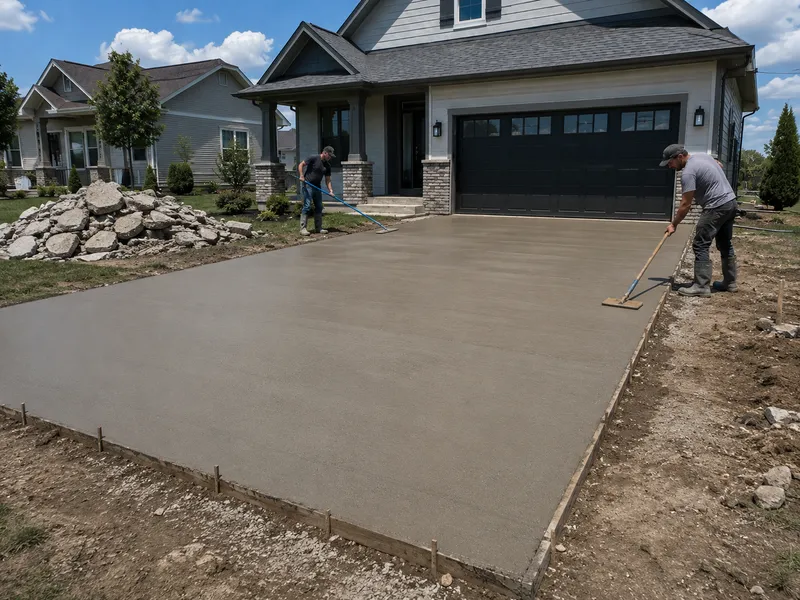
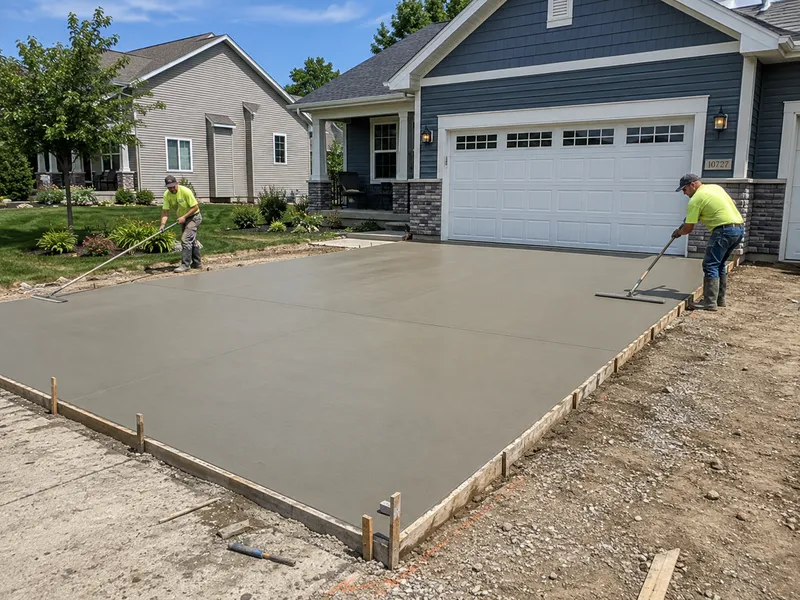
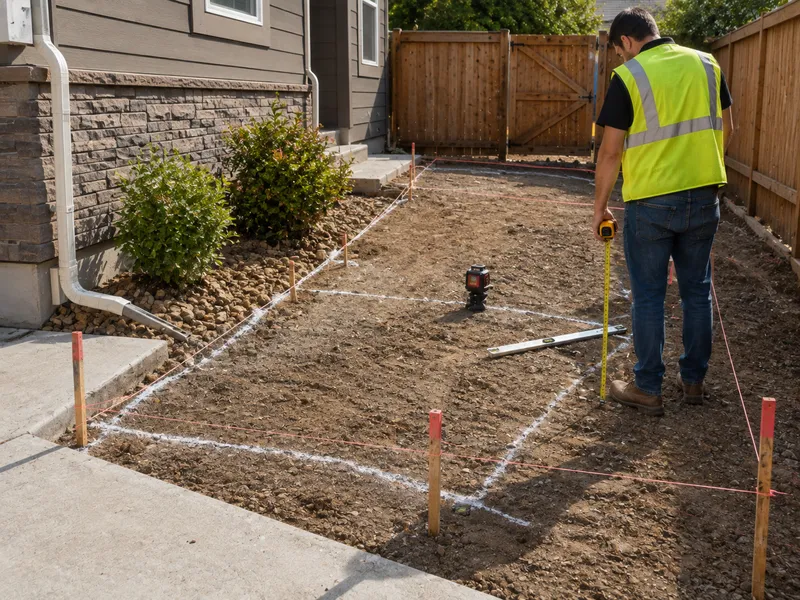
- Installation is a separate project type when the property needs new concrete area or a different layout.
Start with the affected area
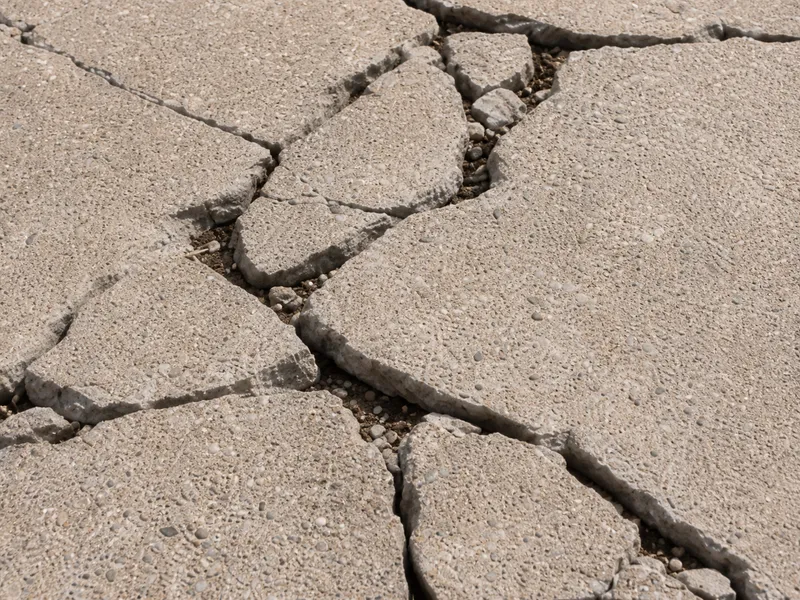
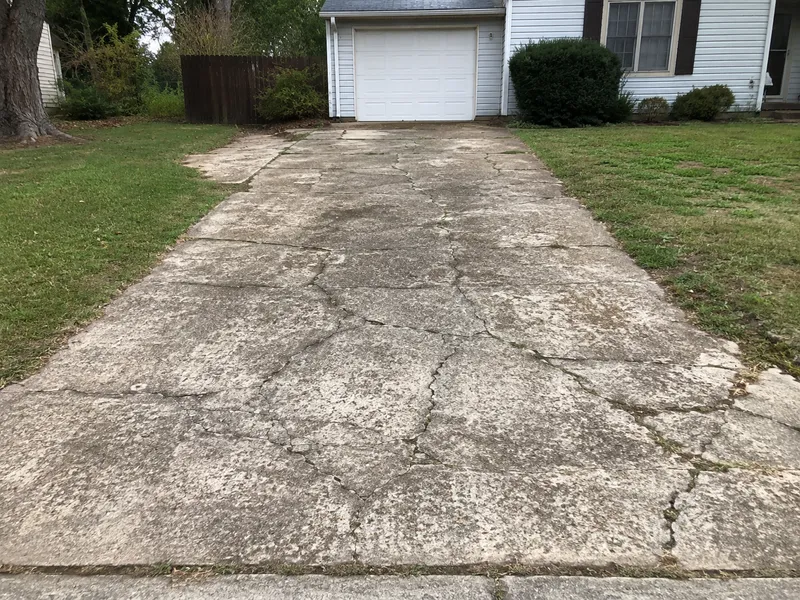
A narrow crack, broken corner, open joint, isolated low spot, or one damaged panel may support a focused scope when the surrounding concrete remains usable. When connected cracks, settlement, surface deterioration, or drainage problems spread across multiple sections, the project should be reviewed as a broader system rather than a collection of separate patches.
Conditions that can support repair
Repair may fit when the damaged area is limited, movement appears localized, surrounding elevations remain practical, drainage does not require broad correction, and the repair boundary can be defined clearly. The objective should be realistic: restore a limited function, protect an edge or joint, treat a crack, or rebuild a small area—not make an older slab indistinguishable from new concrete.
Use the smallest scope that reasonably addresses the defined condition, but do not force a repair where the surrounding surface or support requires broader work.
When replacement becomes more practical
Replacement should be considered when multiple sections have moved, cracking connects across a broad surface, broken areas are unstable, prior patches have repeatedly failed, water collects across a large low area, or transitions at a garage, street, door, patio, or walk no longer function well.
| Factor | Focused repair | Replacement |
|---|---|---|
| Affected area | Limited and clearly defined | One or more sections, or the full surface |
| Preparation | Local cleaning, removal, or treatment | Removal, support review, forms, placement, and transitions |
| Appearance | Repair remains visible in many cases | New concrete still may not match older adjoining concrete |
Compare repair, section replacement, and full replacement
Localized repair usually affects less area and may require less removal, but it has clearer functional and appearance limitations. Section replacement removes defined failed areas while preserving usable concrete. Full replacement allows broader work on support, grades, joints, drainage, and transitions, but requires more demolition, preparation, access, and curing planning.
Information to include in a Killeen estimate request
Provide the property address, surface type, approximate dimensions, wide photos, close-ups, low spots, elevation changes, prior repairs, nearby downspouts or runoff routes, and a description of how the area is used.
This article provides general planning information. It does not determine the final method, price, schedule, or suitability of work for a specific property.
Ready to describe the project?
Include the property location, surface type, dimensions, photos, visible condition, intended use, drainage, and access information.
Request an Estimate