Widespread cracking
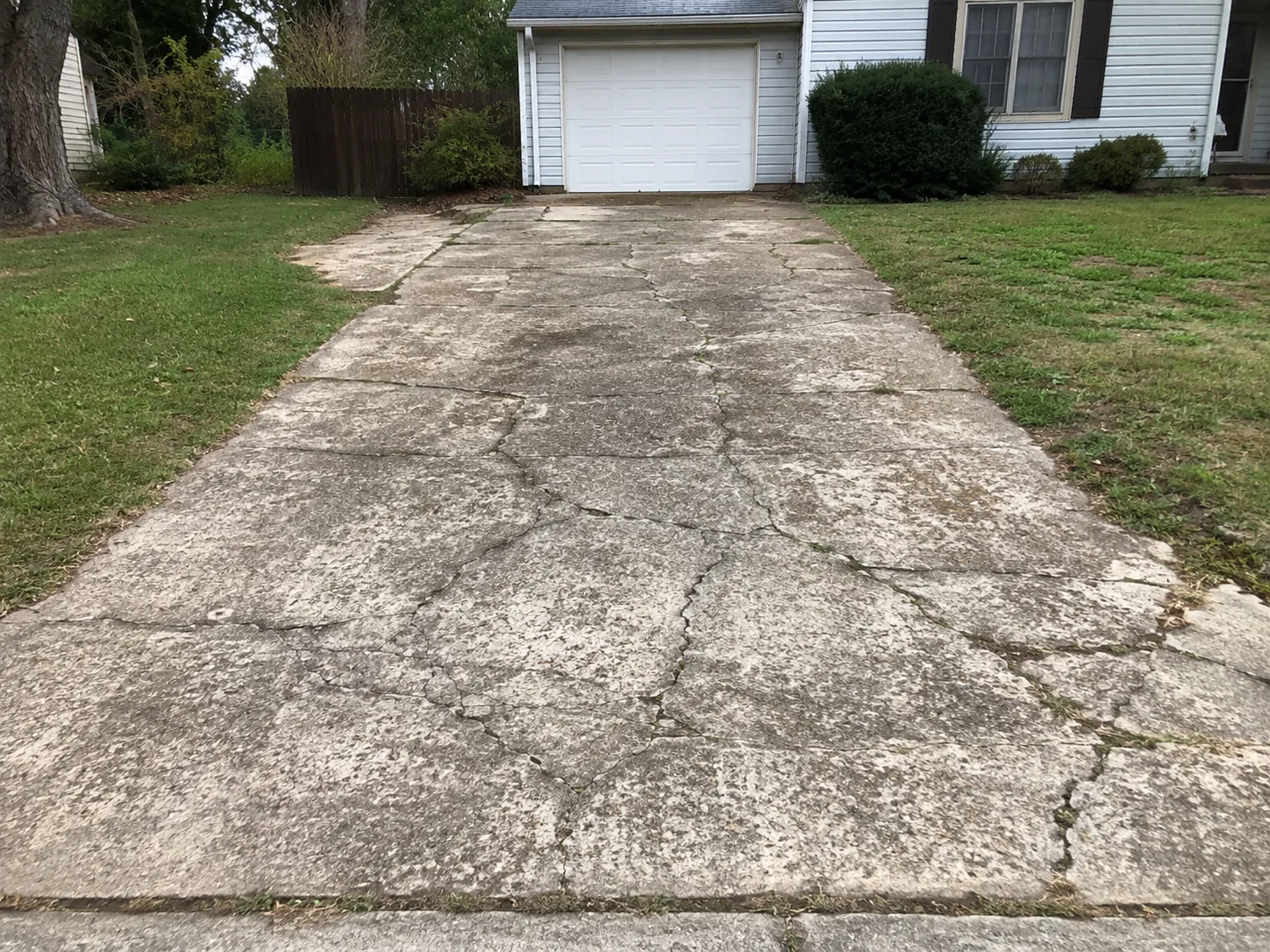
Connected cracks across several panels can indicate that a small patch would leave most of the failed surface unchanged.
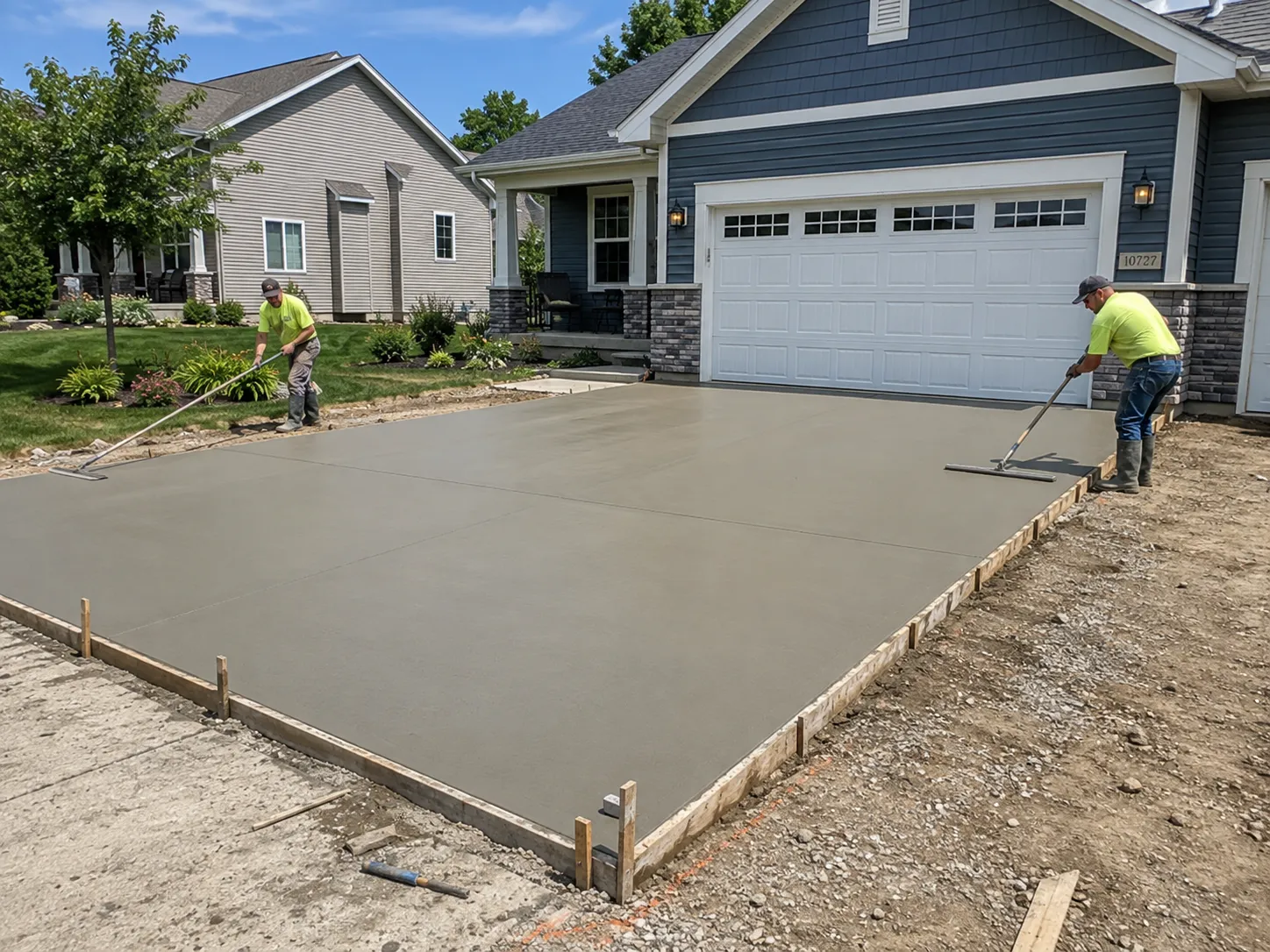
Plan removal and rebuilding when an existing driveway has widespread cracking, multiple settled sections, broken concrete, recurring low spots, or transitions that no longer function well. Replacement can involve one failed section, several connected areas, or the full driveway surface.
An older driveway does not automatically require complete removal. The practical scope may be one section, several connected sections, or the entire surface. We review the cracking pattern, elevation changes, previous patches, water movement, vehicle use, and connections at the street, garage, and walkways before defining replacement limits.
Removal also creates an opportunity to see support conditions that were hidden beneath the existing concrete and to reconsider grades, joints, and transitions in the rebuilt area.
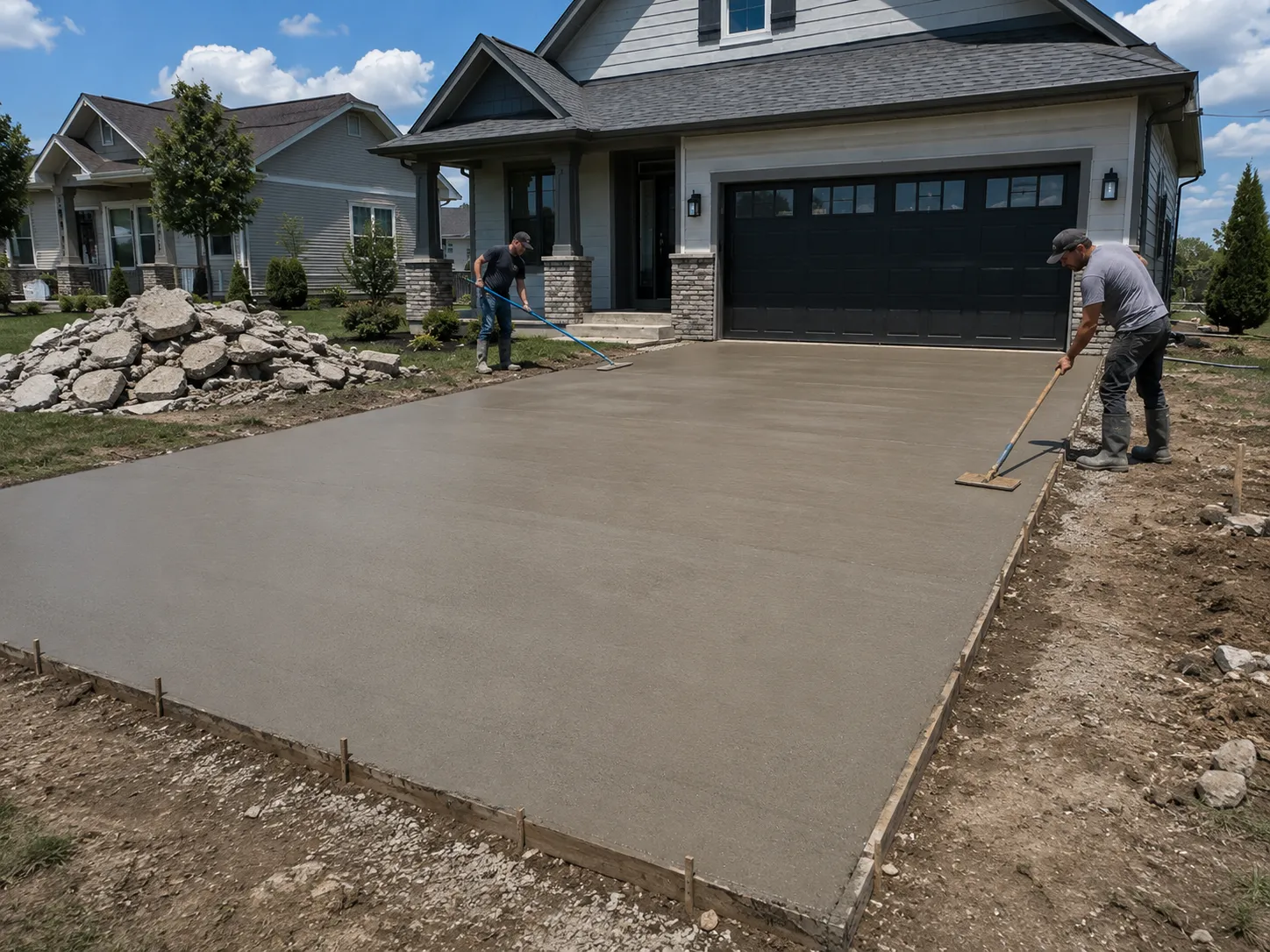
Replacement is considered when damage or function problems affect a broader part of the surface.
Connected cracks across several panels can indicate that a small patch would leave most of the failed surface unchanged.
Multiple low or raised sections can interfere with vehicle use, drainage, and transitions to the garage or street.
Loose pieces, deep surface loss, unstable edges, or repeated failures may require removal of the affected concrete.
Broad low areas or repeated water collection may require a replacement plan that addresses elevations across more than one section.
Soft, disturbed, wet, or inconsistent material may become visible only after the existing concrete is removed.
Roof runoff, yard slope, street drainage, irrigation, and adjoining surfaces can influence new grades and low-point planning.
A replacement may preserve the current footprint or adjust dimensions and transitions when the property and project allow it.
Concrete thickness, reinforcement, gate width, haul routes, parked vehicles, and nearby landscaping affect project logistics.
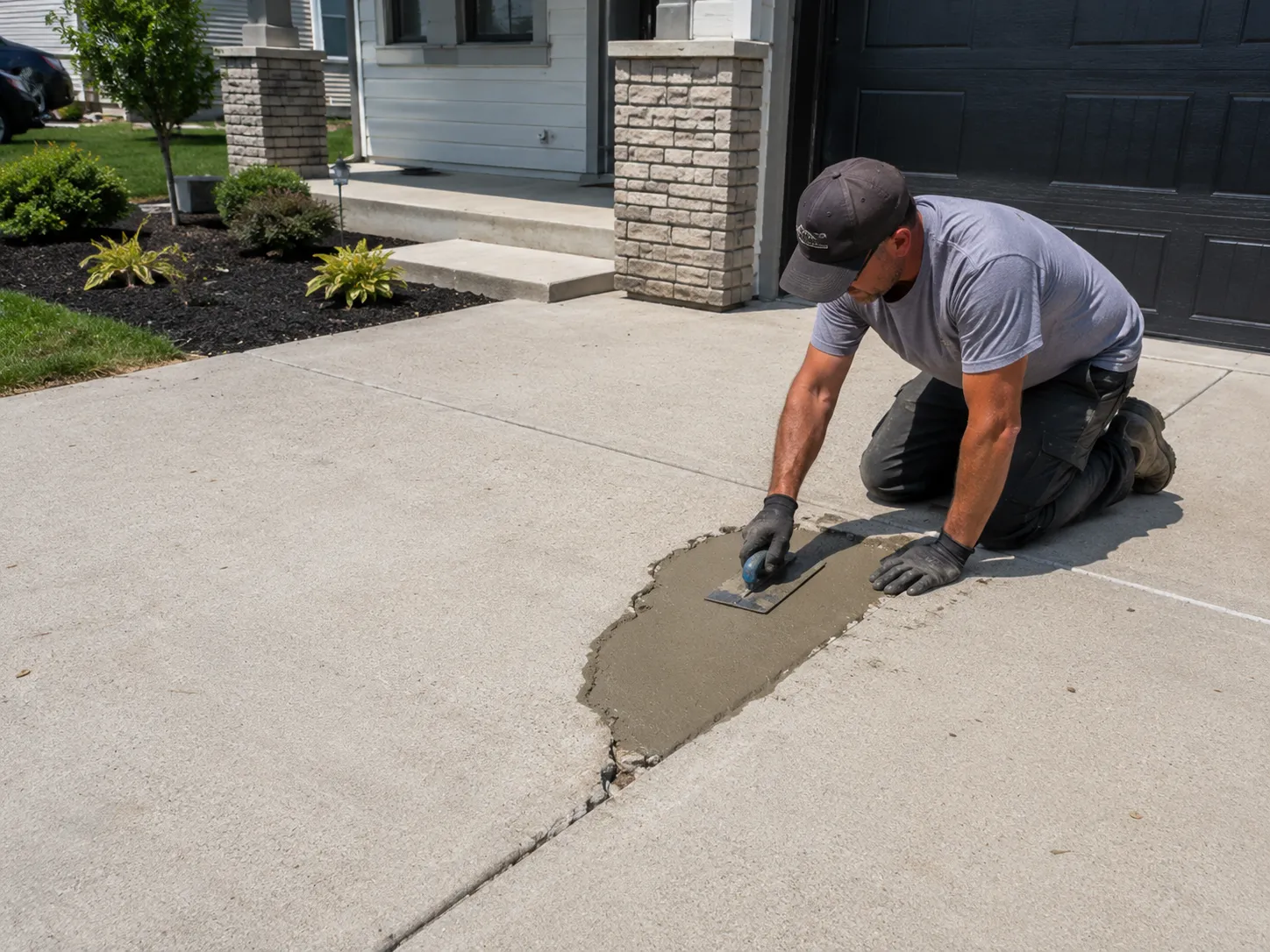
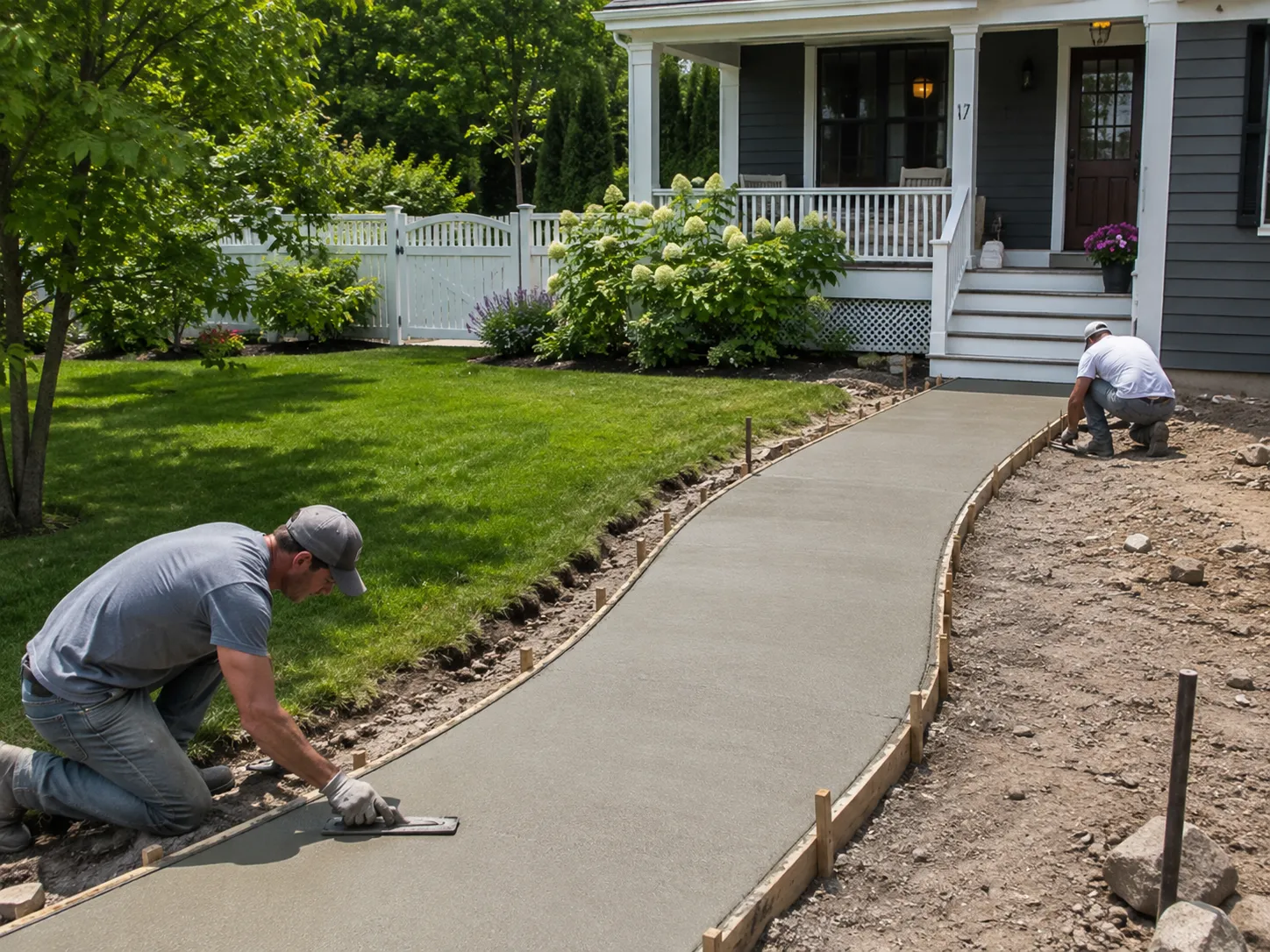
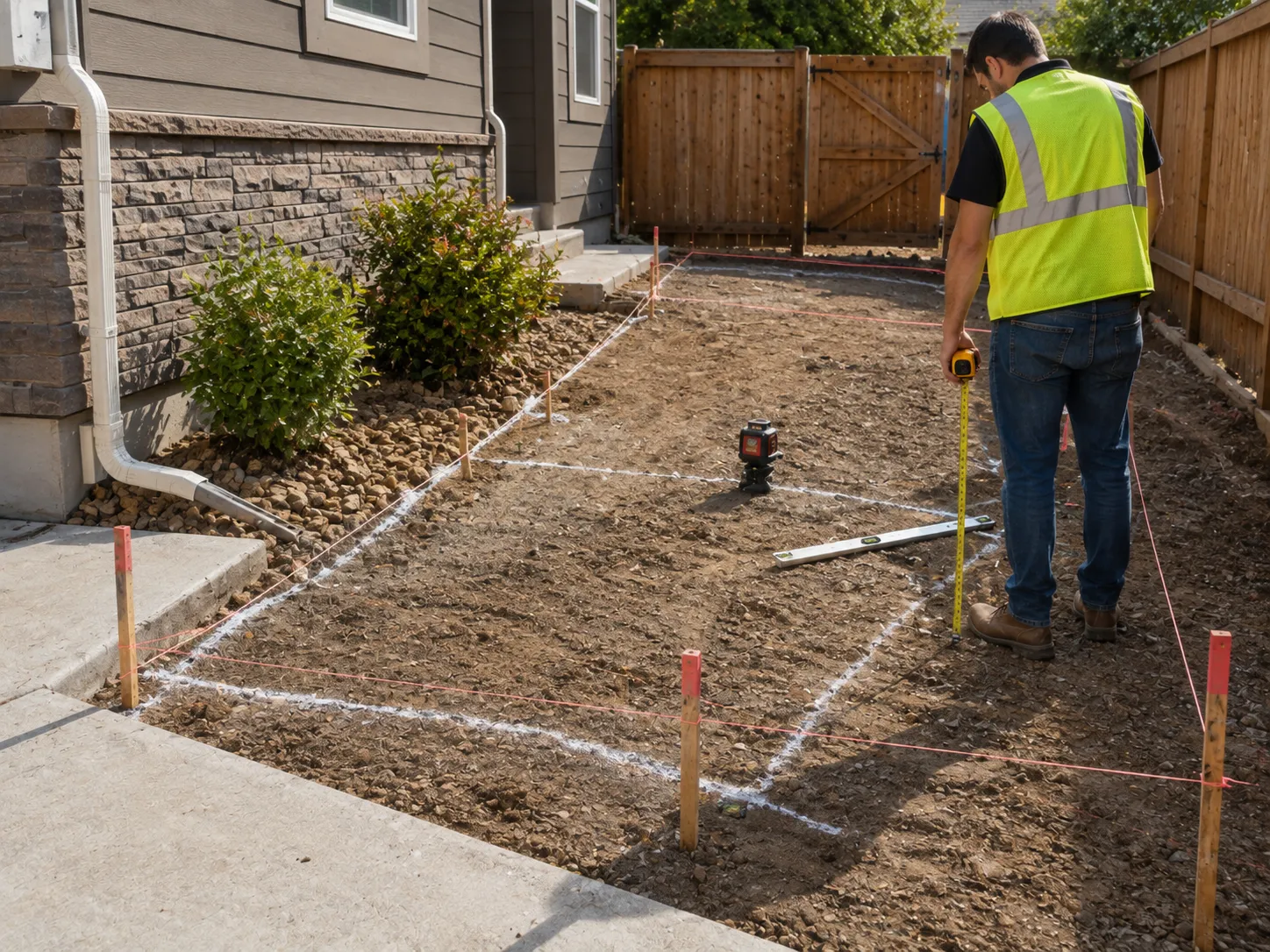
Images are representative examples provided to illustrate the type of project and conditions discussed.
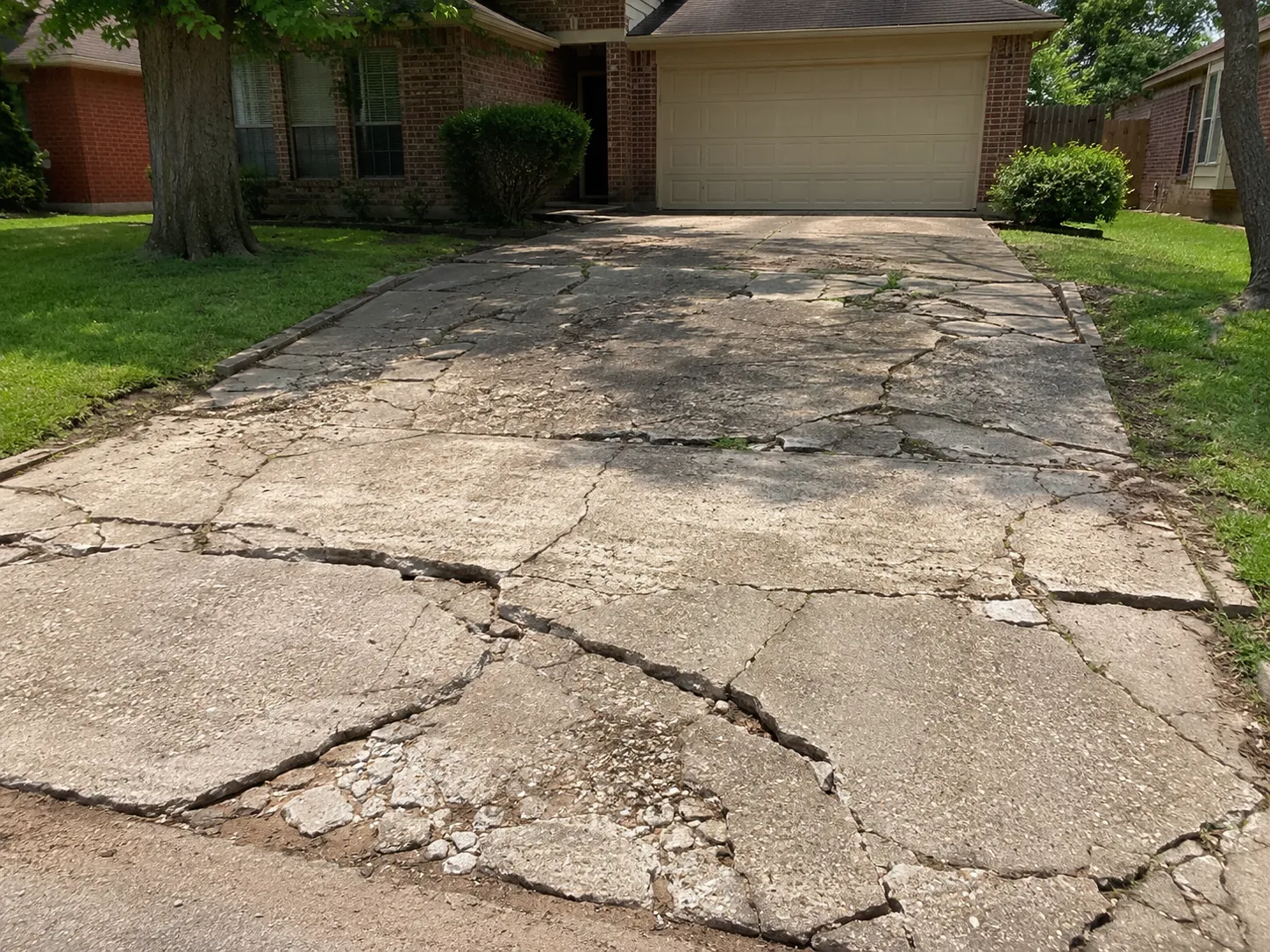
The full driveway, failed panels, connected cracking, settlement, previous repairs, drainage problems, transitions, and access for removal.
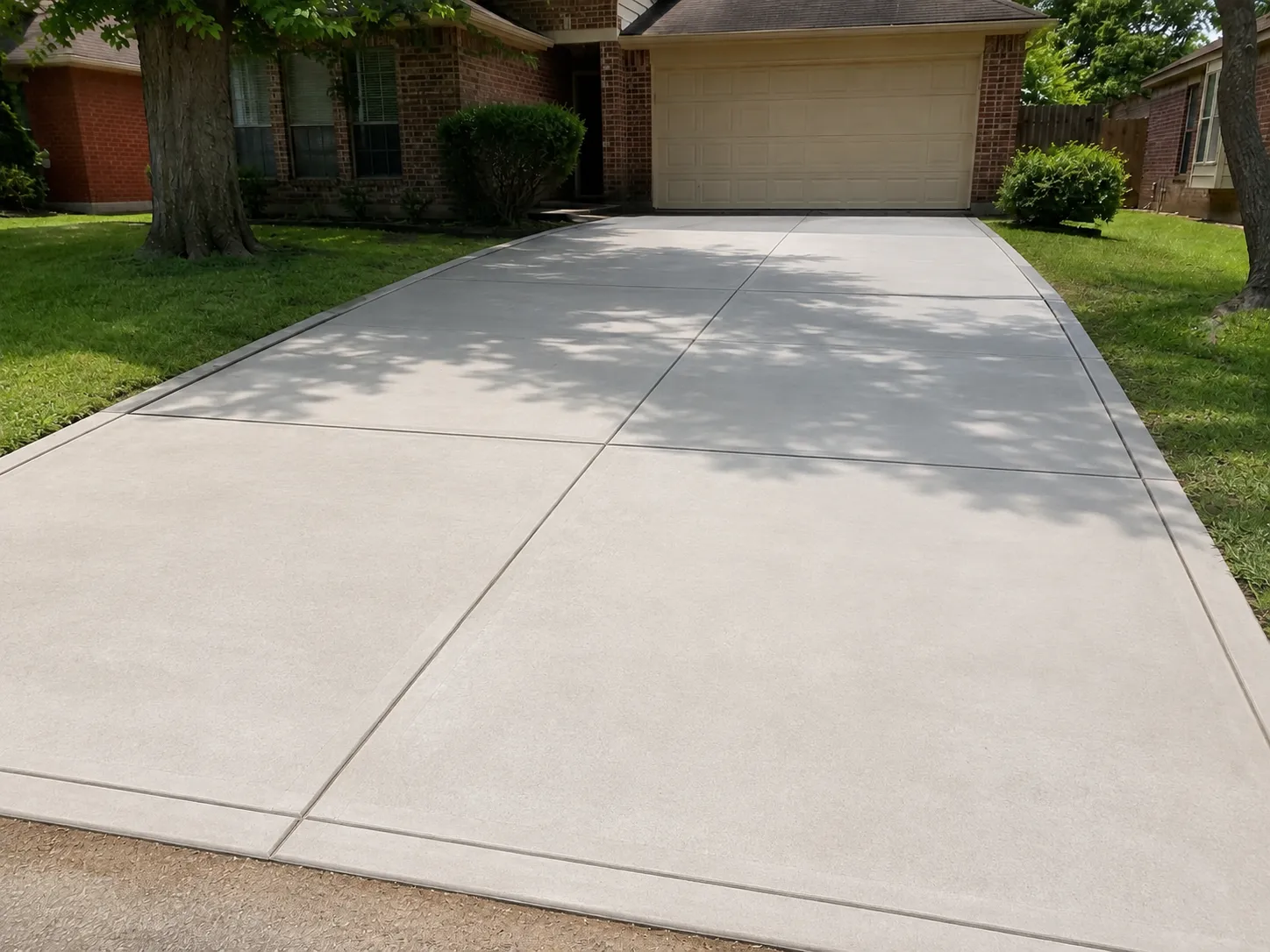
The planned scope identifies which panels or areas will be removed, what concrete will remain, and how the rebuilt surface will connect to the street, garage, and adjoining areas.
The damaged surface, surrounding property, and intended future use all affect how much concrete should be removed and rebuilt.
A limited repair may fit a crack, joint, edge, or shallow damaged area when the full panel can remain. Section replacement applies when one or more panels must be removed and rebuilt. Full replacement is considered when failure, settlement, drainage problems, or transition issues affect a broad portion of the driveway. Added parking or a new route belongs under installation.

Vehicle access, grade, drainage, transitions, and working room all shape how a replacement should be planned before work begins.
The sequence is organized around safe removal, support, drainage, connections, and return to vehicle use.
Saw cut, break, load, and remove the sections included in the approved replacement area.
Review the material beneath the removed concrete for moisture, disturbance, soft areas, and inconsistent support.
Remove unsuitable material where required and prepare a stable, compacted support layer for the new work.
Set elevations in relation to the garage, street, yard, walkways, and the way water moves across the property.
Establish dimensions, edges, transitions, joint layout, and reinforcement where appropriate.
Place and finish the replacement concrete for the defined driveway use and surface expectations.
Complete transitions, remove debris, and organize the work area for the curing period.
Provide project-specific guidance before cars, trucks, trailers, or other loads use the rebuilt surface.
The exact work varies by property, but the planning sequence should remain easy to understand.

Send wide photos, close-ups, dimensions, prior repair locations, low spots, and views of street and garage connections.
Review the extent of cracking, movement, support concerns, drainage, and the condition of sections that may remain.
Identify section replacement, multi-section work, or a full rebuild and clarify whether the layout will change.
Organize access, demolition, base preparation, transitions, placement, curing, and return to vehicle use.
Choose the service that best matches the condition of your concrete and the work you are considering.
Review localized options when damage is limited and most of the existing driveway remains functional.
Learn MorePlan an extension, additional parking area, or a new vehicle route when the project adds concrete space.
Learn MoreCoordinate a new pedestrian route or connection near a driveway, gate, patio, or entry.
Learn MoreWe review concrete requests across Killeen and selected nearby communities, including Harker Heights, Nolanville, Copperas Cove, and the Fort Hood area. Availability depends on the property location, project type, access, current scheduling, and the practical scope of the work.
No. The decision depends on crack pattern, movement, number of affected sections, drainage, support, and the condition of the remaining driveway.
Sometimes. Section replacement may be practical when the failed area is clearly defined and the remaining concrete, grades, and transitions can support a clean connection.
A wider layout can be considered as an installation component, but property space, drainage, boundaries, curb or right-of-way conditions, and new connections should be reviewed separately.
The exposed support material can be reviewed, unsuitable areas addressed where required, and the new base, grades, forms, and transitions prepared for placement.
Compare damage patterns, support, drainage, transitions, and project limits before choosing a repair or replacement path.
Read GuideSee how removal, access, preparation, affected area, and adjoining surfaces can change a concrete estimate.
Read GuideReview property drainage, parking use, access, grades, and local planning considerations for Killeen concrete work.
Read GuideShare the failed areas, whether the driveway has settled or holds water, and how the surface connects to the street, garage, walkways, and parking areas. Wide photos, close-ups, approximate dimensions, and views of the surrounding property help define whether the project involves one section or a broader rebuild.